
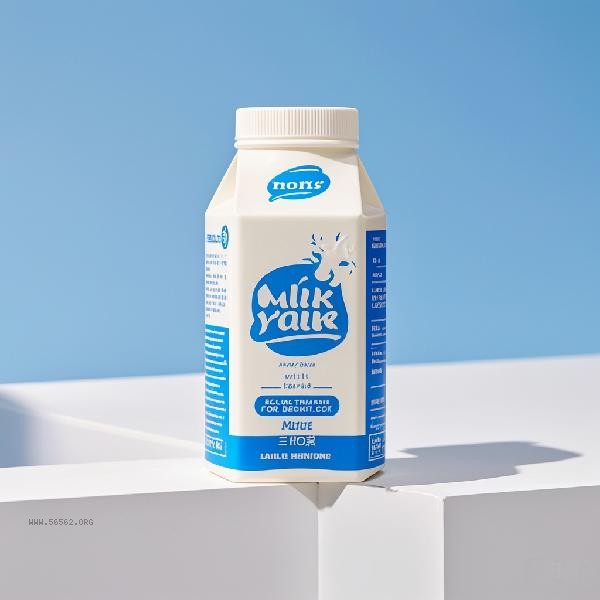
Drinking pure milk alone cannot achieve the scientific weight loss effect. Although pure milk is rich in high-quality protein and calcium, it lacks dietary fiber and has a high calorie content. Drinking it alone may lead to nutritional imbalance or excessive calorie intake. Pure milk contains about 54 calories per 100 milliliters. If you only drink 1000 milliliters of pure milk per day, you will consume 540 calories, which is close to one-third of the minimum daily energy requirement for adults. Long term single intake can lead to deficiencies in nutrients such as vitamin C and dietary fiber, which may cause problems such as constipation and weakened immunity. The lactose and fat components in milk may irritate the gastrointestinal mucosa when consumed in large quantities on an empty stomach, and some people may experience discomfort such as bloating and diarrhea. Losing weight requires controlling total calorie intake and ensuring nutritional balance. Relying solely on one type of food cannot meet the body's metabolic needs. During weight loss, pure milk can be used as one of the high-quality sources of protein, with a recommended daily intake of around 300 milliliters, paired with low glycemic index foods such as whole grains and green leafy vegetables. Lactose intolerant individuals can choose lactose free milk or yogurt as a substitute. Moderate consumption of milk after exercise can help with muscle repair, but it is important to pay attention to total calorie control throughout the day. Scientific weight loss should be combined with dietary structure adjustment, regular exercise, and a good daily routine. If necessary, personalized plans should be developed under the guidance of nutritionists.








Comments (0)
Leave a Comment
No comments yet
Be the first to share your thoughts!