
After soaking dried seaweed for 5 days, if it does not spoil and is stored properly, it can generally be consumed. However, if there is an odor, mucus, or abnormal color, it should be discarded. The food safety of dried kelp mainly depends on storage environment, water quality changes, and sensory status. Dried kelp is a seaweed food with high dietary fiber and minerals. During the soaking process, moisture will gradually restore its soft texture. Soaking at room temperature for more than 24 hours may breed bacteria, but refrigeration can delay spoilage. After soaking, the surface of kelp should maintain a green brown or dark green color, with a flexible and non sticky texture, and emit a natural seaweed fragrance. If the water quality is clear without turbidity, there is no slippery feeling when touched, and there is no blackening or mold inside when cut open, it can still be consumed after thorough rinsing and high-temperature cooking. High temperatures or water pollution in summer can accelerate the decay of seaweed, and unclean soaking containers may lead to the growth of mold. If kelp has an acidic odor, white mucus covering the surface, and local redness or blackening, it indicates that it has been contaminated by microorganisms and produces harmful substances such as histamine. Especially if the water is not changed in time during the soaking process, the nitrite content may increase, and ingestion may cause gastrointestinal discomfort or food poisoning. This type of spoiled kelp is difficult to completely eliminate the risk even when heated at high temperatures and must be disposed of.
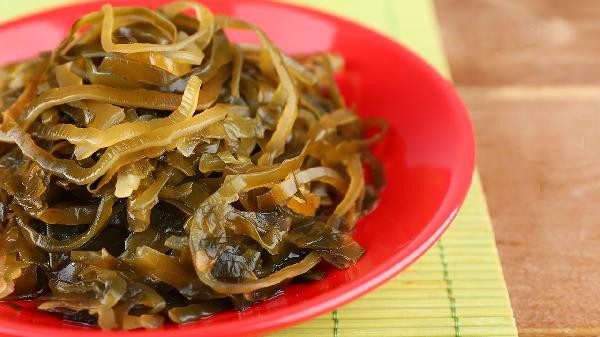
It is recommended to refrigerate dried seaweed and soak it in cold water. Change the water every 12 hours, and the total duration should not exceed 3 days. Before cooking, rinse with running water and blanch in boiling water. For cold dishes, ensure that the seaweed is fresh and thoroughly sterilized. People with weak digestive function and pregnant women should control their intake and avoid excessive dietary fiber stimulation of the gastrointestinal tract. If the storage or foaming conditions are poor, even if it has not reached 5 days, the safety of consumption should be carefully evaluated.










Comments (0)
Leave a Comment
No comments yet
Be the first to share your thoughts!