
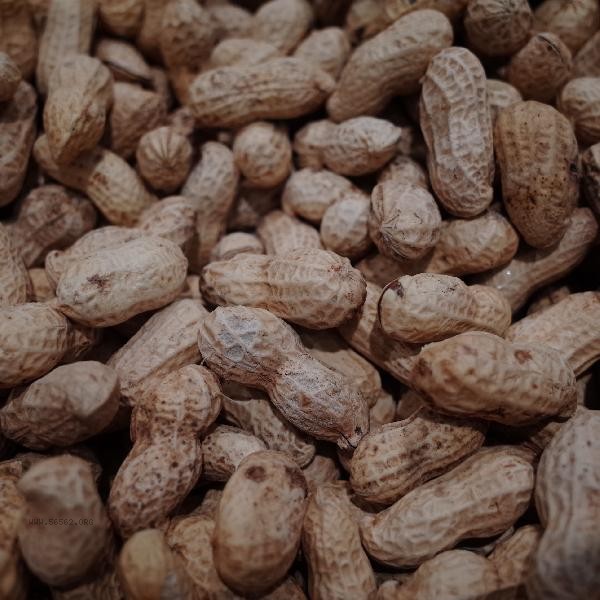
Dried peanuts with shells can be boiled in water, but the soaking and cooking time needs to be extended to ensure sufficient softening. Boiled peanuts with shells can retain more nutrients while reducing oil intake.
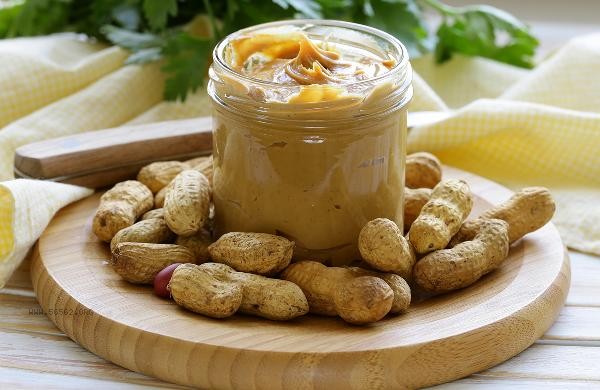
Shelled peanuts have a hard texture, and boiling them directly may make it difficult for the outer skin to soften. It is recommended to soak peanuts for several hours in advance to allow the shell to fully absorb water and expand. When cooking, the amount of water should completely cover the peanuts. After boiling over high heat, reduce the heat and simmer slowly. During the process, add an appropriate amount of salt or spices for seasoning. Boiling peanuts with shells can reduce the loss of water-soluble vitamins in the kernels, and the polyphenols in the shells will also partially dissolve into the soup. If peanuts are stored for too long or have obvious mold on the shell, there may still be a risk of aflatoxin contamination after boiling. Moldy peanuts may have black brown spots on the outer shell and yellow and bitter kernels inside. These types of peanuts are difficult to completely destroy toxins even when cooked at high temperatures, and may cause gastrointestinal discomfort or liver damage after consumption. When choosing, fresh peanuts with intact shells and no insect infestation should be selected, and abnormal individuals should be carefully removed before cooking. Boiled peanuts with shells are suitable as a healthy snack, but the daily intake should be controlled within 30 grams. People with weak gastrointestinal function should eat without skin to avoid irritation from the coarse fibers in the outer shell. When cooking, it can be paired with star anise and cinnamon isothermal spices, which can enhance flavor and aid digestion. The remaining boiled peanuts need to be refrigerated and consumed within 3 days. It is recommended to reheat and sterilize them before consuming them again.








Comments (0)
Leave a Comment
No comments yet
Be the first to share your thoughts!