
Dried lamb meat that has become moldy is usually not recommended for consumption. Moldy food may produce harmful substances such as aflatoxins, and even if the moldy part is removed, there are still health risks. During the process of mold growth in dried lamb meat, fungal hyphae may have penetrated into the interior of the meat, making it difficult for the naked eye to fully identify the contaminated area. Although high-temperature cooking can kill some molds, it cannot decompose the toxins that have already been produced. Eating it may cause acute gastroenteritis, abdominal pain, diarrhea and other symptoms. Long term intake of trace amounts of mycotoxins may also cause chronic damage to the liver and increase the risk of cancer.
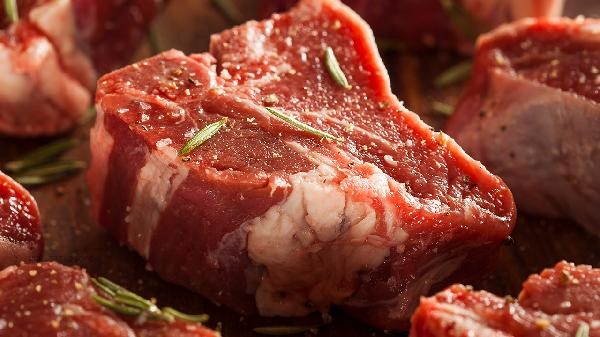
In special circumstances, if mold is limited to the surface and the meat is dry and hard, the surrounding area of more than 3 centimeters can be cut off and consumed with caution. But pregnant women, children, the elderly, and those with weakened immune systems must avoid them, as these groups are more sensitive to toxins and may trigger severe allergic reactions or poisoning. The high salt content in traditional air drying processes may inhibit some fungi, but cannot guarantee complete safety.
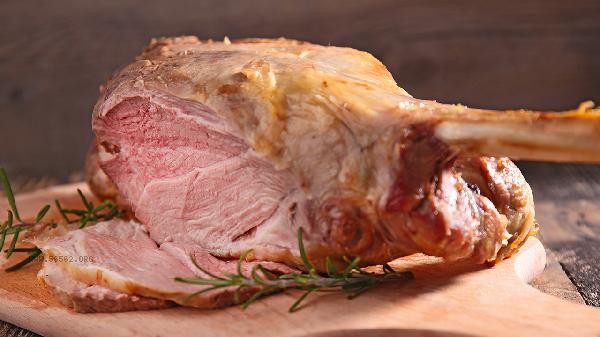
Daily storage of dried lamb should be placed in a ventilated and dry environment, wrapped in gauze and hung to avoid contact with moisture. Regularly check the condition of the meat and discard it immediately if mold or odor is found. It is recommended to purchase vacuum packaged products produced by reputable manufacturers and consume them as soon as possible after opening. If symptoms such as dizziness and nausea occur after ingesting moldy lamb, seek medical attention promptly for emetic or detoxifying treatment.








Comments (0)
Leave a Comment
No comments yet
Be the first to share your thoughts!