
It is not recommended to continue drinking dried bitter melon after two years of storage. Dried bitter gourd may become moldy, insect infested, or lose its active ingredients due to improper storage, and long-term storage may affect its safety and nutritional value. Dried bitter gourd can usually maintain its quality after short-term storage in a dry and ventilated environment, but it is prone to moisture and mold after more than a year. Harmful substances such as aflatoxins produced by mold growth may damage the liver, making it difficult to fully distinguish the degree of mold growth with the naked eye. At the same time, the active ingredients in bitter gourd, such as bitter gourd glycosides, will degrade over time, significantly reducing health benefits such as blood sugar lowering and antioxidant effects. If the dried bitter gourd turns black in color, has an odor, or has a soft texture, it should be immediately stopped from consumption. In special circumstances, if dried bitter gourd is vacuum sealed and stored at low temperature and in the dark throughout the process, and there is no abnormal appearance or odor, theoretically the storage period can be extended. However, the storage conditions at home are difficult to meet professional standards, and there is still a slow oxidation problem with dried bitter melon as an agricultural product. Even if the appearance is normal, the effective ingredient content is difficult to guarantee, especially when used for health purposes, the effect will be greatly reduced.
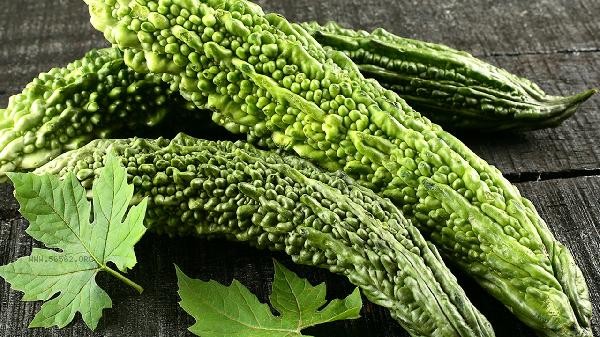
It is recommended to choose freshly made dried bitter melon and consume it within 3-6 months after opening. When storing, use a sealed container and place food desiccants in a cool, dark place. If long-term preservation of health food ingredients is required, freezing treatment or regular replacement can be considered. Any signs of deterioration must be discarded to avoid health risks caused by small losses. It is recommended to consume fresh bitter gourd in moderation for daily health care, which ensures better nutritional value and safety.








Comments (0)
Leave a Comment
No comments yet
Be the first to share your thoughts!