
Crabs are not recommended to be boiled without washing, as there may be a risk of sediment residue or bacterial contamination. Crabs are prone to adhere to sediment, algae, and microorganisms on their surface, and direct steaming may affect their taste and food safety. Crabs live in freshwater or seawater, and their bodies and gills are prone to accumulating impurities such as sediment and parasite eggs. Before cooking, use a soft bristled brush to rinse crab shells, belly covers, joint crevices, and other areas with running water to remove most of the dirt. Crustacean aquatic products may carry pathogenic bacteria such as Vibrio parahaemolyticus, and thorough cleaning can reduce food safety risks. Some aquaculture waters are contaminated with heavy metals, and cleaning can reduce the infiltration of shell pollutants into meat.
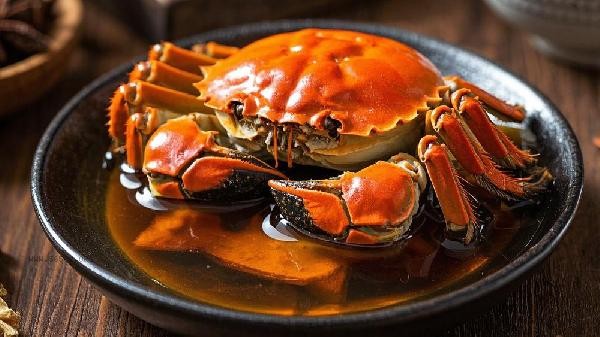
In rare cases, purchase ready to eat crabs that have undergone ultra clean treatment or vacuum packaging, with packaging indicating that they can be cooked directly without washing. These products are usually treated with ozone sterilization and high-pressure flushing, but they still need to be checked for signs of deterioration after opening. Wild caught or market live crabs that have not been sterilized must be thoroughly cleaned.
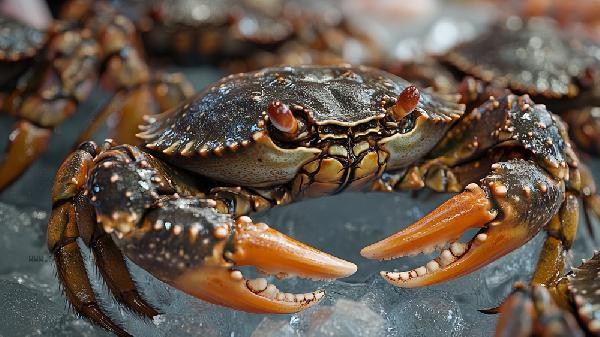
Wear gloves when handling crabs to avoid being pinched, and cook as soon as possible after cleaning to prevent bacterial growth. Adding ginger slices, perilla, etc. during steaming can remove fishy smell and kill bacteria. Remove internal organs such as crab heart and stomach when consuming, and use ginger vinegar juice to help kill bacteria and drive away cold. If discomfort such as abdominal pain and diarrhea occurs after consumption, seek medical attention promptly to investigate the possibility of food poisoning. When purchasing crabs in daily life, one should observe their vitality and integrity to avoid dead crabs or products with damaged shells.








Comments (0)
Leave a Comment
No comments yet
Be the first to share your thoughts!