
Moderate consumption of olive oil may help with weight loss, but it should be combined with overall dietary control and exercise. Olive oil is rich in monounsaturated fatty acids, which can increase satiety and regulate metabolism, but excessive intake can still lead to calorie overload. The oleic acid in olive oil can promote the activity of lipolytic enzymes and help reduce visceral fat accumulation. Research shows that replacing saturated fat with olive oil may reduce the probability of weight gain. Its antioxidant components can reduce inflammatory reactions, improve insulin sensitivity, and have a certain effect on controlling appetite. Cold pressed extra grade olive oil contains polyphenols that can inhibit adipocyte differentiation. The recommended daily intake is 10-20 grams, which can be paired with vegetable salad or low-temperature cooking.

It should be noted that olive oil has a high calorie content, with approximately 900 calories per 100 grams. Simply increasing olive oil intake without reducing other fats may actually lead to weight gain. Some people may experience gastrointestinal discomfort, and long-term overdose may affect blood lipid levels. Commercially available blended olive oil may be mixed with other cheap oils, which may compromise the weight loss effect. High temperature frying can cause olive oil to produce harmful substances and lose its health benefits.

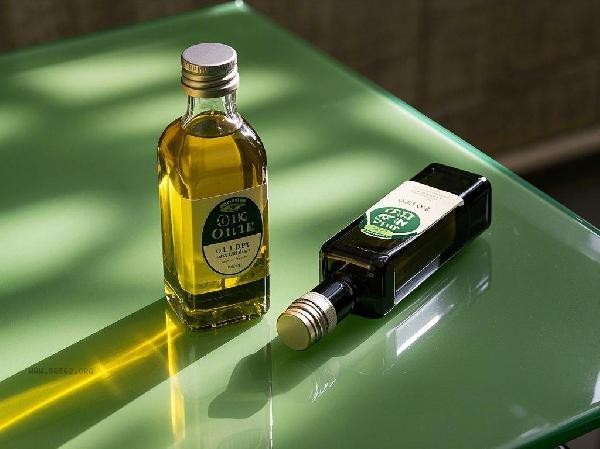
It is recommended to include olive oil as part of a healthy diet, along with whole grains, lean meat, and fruits and vegetables. Avoid frying high starch foods in olive oil and control daily total calorie intake. Establish regular exercise habits and engage in aerobic exercise and strength training every week. If there is no long-term change in weight, it is necessary to consult a nutritionist to adjust the diet plan. Please choose extra virgin olive oil packaged in dark glass bottles and use it within three months after opening.








Comments (0)
Leave a Comment
No comments yet
Be the first to share your thoughts!