
Eating red beans in combination with mung beans can help with weight loss, but it requires a balanced diet and exercise to achieve the desired results. Red beans and mung beans are both rich in dietary fiber, high-quality protein, and various vitamins and minerals, which can enhance satiety and promote metabolism. The main functions include controlling calorie intake, regulating blood sugar levels, promoting intestinal peristalsis, supplementing plant protein, and accelerating water metabolism.
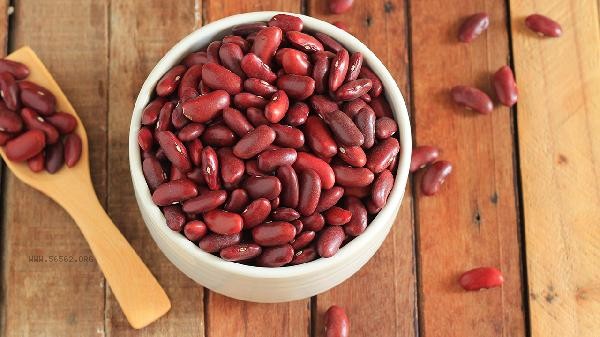
1. Control calorie intake
Red beans and mung beans are both low calorie and high fiber foods, with about 300-350 calories per 100 grams of dry beans. After cooking, they can absorb water and expand, increasing their volume by three times. Dietary fiber slows down gastric emptying and reduces the desire to consume high-fat and high sugar foods. It is suggested to replace some refined staple foods, such as red beans and mung beans Congee instead of white rice.
2. Regulating blood glucose levels
The glycemic index of both legumes is between 30-40, and the resistant starch and alpha amylase inhibitors they contain can slow down carbohydrate breakdown. The flavonoids in mung bean skin can improve insulin sensitivity, and when consumed in combination, can help stabilize postprandial blood sugar fluctuations and reduce the probability of fat accumulation.
3. Promote intestinal peristalsis
Red beans contain 12-15 grams of dietary fiber per 100 grams, while mung beans contain about 16 grams, far exceeding polished rice and white flour. Insoluble fibers stimulate intestinal wall peristalsis, and when combined with oligosaccharides in legumes, can proliferate probiotics such as bifidobacteria. People with weak gastrointestinal function need to adapt from a small amount to avoid bloating caused by excessive consumption at once.
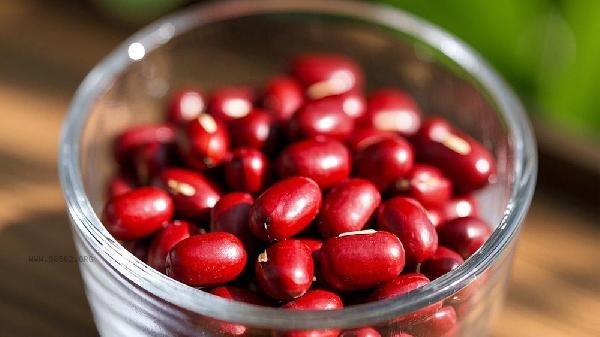
4. Supplement plant protein
Red bean protein content is about 20-22%, mung bean content is about 21-24%, containing 8 essential amino acids for the human body. Plant protein has a slower digestion and absorption rate, which can prolong the duration of food heat effects. Eating it after exercise can help with muscle repair. Individuals with abnormal kidney function should control their daily intake to no more than 50 grams of dried beans.
5. Accelerate water metabolism
Mung beans are rich in potassium (about 1200 milligrams per 100 grams) and saponins, while red beans are rich in B vitamins. The combination of the two can promote sodium ion excretion and alleviate edema type obesity. It is recommended to keep the bean skin during cooking to maximize the retention of diuretic ingredients, and it is advisable to drink 300-500 milliliters of bean soup daily.
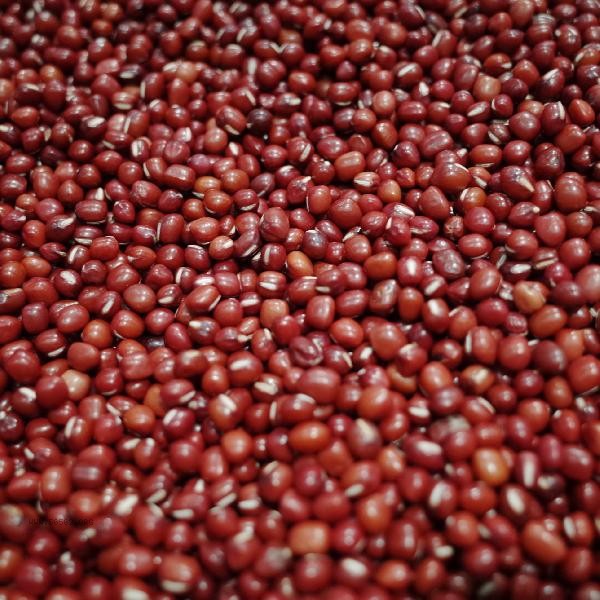
It should be noted that relying solely on legumes has limited weight loss effects. It is recommended to control the daily intake of dry beans at 30-50 grams, and pair them with whole grains and dark vegetables. People with spleen and stomach deficiency and cold can add ginger and tangerine peel to cook together. Women during menstruation and diarrhea should reduce consumption. When symptoms of indigestion or allergies occur, it should be stopped immediately. Patients with chronic diseases should consult a nutritionist to adjust their dietary ratio.








Comments (0)
Leave a Comment
No comments yet
Be the first to share your thoughts!