
Boxed pure milk can be poured out and heated, but care should be taken to avoid prolonged boiling at high temperatures that can cause nutrient loss. The main heating methods for milk include water-resistant heating, short-term microwave heating, and low heat heating when poured into a milk pot.
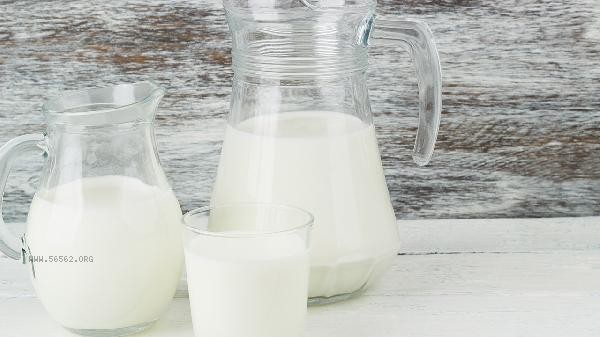
Cross water heating is the gentlest way. Pour milk into a heat-resistant container and slowly heat it up in hot water, which can retain more B vitamins and calcium. Microwave heating requires the use of medium to low power, with heating time controlled within 30 seconds and stirring midway to prevent local overheating and damage to protein structure. When heating a milk pot, it is recommended to use a thick bottomed pot and stir over low heat until it reaches around 60 degrees Celsius with slight bubbling. Exceeding 80 degrees Celsius may cause lactose to char and affect the taste.
In special circumstances, caution should be exercised. Milk that has been opened for more than 24 hours may cause protein coagulation or odor after heating, and it is recommended to discard it. Lactose intolerant individuals can heat milk to around 50 degrees and add lactase to help break down lactose and alleviate discomfort. Boxed milk packaged in aluminum foil cannot be directly microwave heated and must be poured into a microwave specific container.
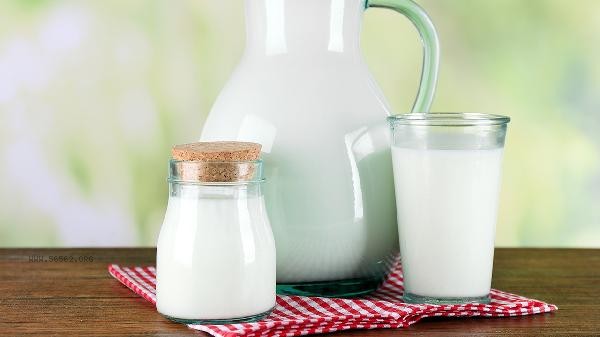
Heated milk should be consumed as soon as possible to avoid repeated heating or prolonged storage. Milk stored in refrigeration can be allowed to stand at room temperature before heating to reduce nutrient loss caused by temperature differences. Choosing pasteurized pure milk for heating is safer, while high-temperature sterilized milk undergoes ultra-high temperature treatment, and secondary heating has a relatively small impact on nutritional value. People with dairy allergies should avoid drinking any form of milk and choose plant-based milk as a substitute.








Comments (0)
Leave a Comment
No comments yet
Be the first to share your thoughts!