
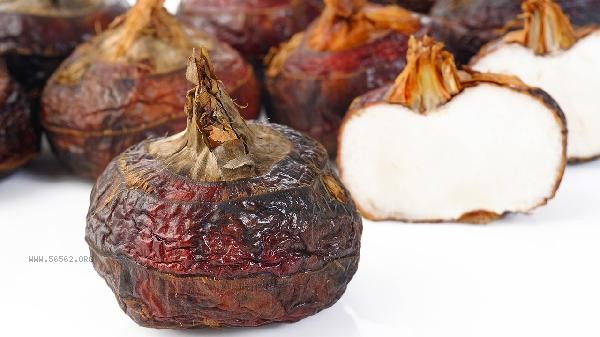
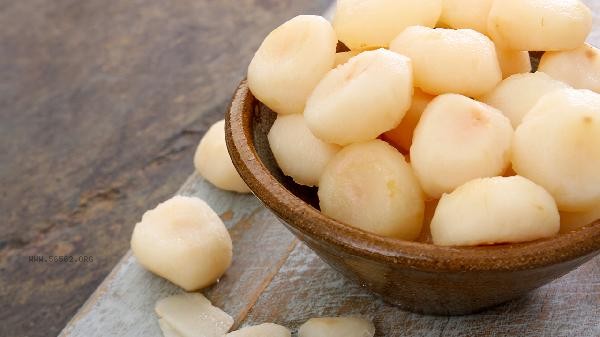
Water chestnuts boiled without peeling are generally drinkable, but it is recommended to drink them after peeling. Water chestnut skin may have residual soil or microorganisms, and boiling water directly may affect taste and hygiene. Although water chestnut skin contains a small amount of dietary fiber and antioxidant components, its surface is prone to attachment of parasitic eggs, bacteria, or pesticide residues from farmland. High temperature boiling can kill some microorganisms, but it cannot completely remove impurities and astringency on the skin. If you choose to boil water with skin on, you need to thoroughly clean the grooves on the surface of the water chestnuts with a hard bristled brush. After boiling, let it settle for impurities before drinking. Boiling water after peeling water chestnuts is more conducive to nutrient release. Their meat is rich in starch, vitamin B group, and phosphorus elements, and boiling water can alleviate autumn dryness and cough. But those with cold water chestnuts and spleen and stomach deficiency should control their consumption and avoid drinking on an empty stomach. When boiling water, it can be used with red dates or ginger slices to neutralize the cold. People with diabetes should pay attention to that water chestnut boiling water will increase the sugar content of the soup.
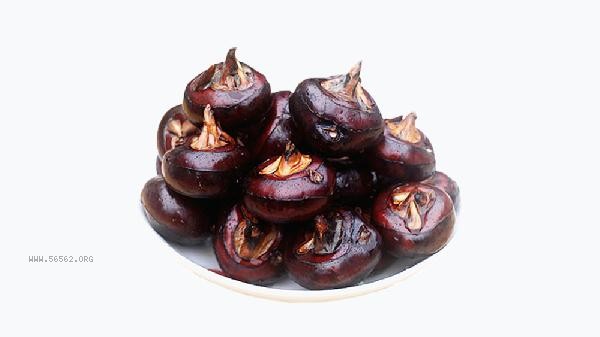
It is recommended to choose fresh and mold free water chestnuts for daily consumption. Peel and slice the water chestnuts, then boil for 15-20 minutes to retain more nutrients. Children and immunocompromised individuals should avoid skin to skin cooking, and stop using it promptly if they experience abdominal pain and diarrhea after drinking. Storing water chestnuts should be refrigerated and consumed within 24 hours. Overnight water chestnuts may breed bacteria.








Comments (0)
Leave a Comment
No comments yet
Be the first to share your thoughts!