
After soaking and drying the fungus, it can generally continue to be consumed, but it is necessary to ensure the hygiene and safety of the soaking and drying process. If the soaking time is too long or improper storage causes mold growth, it is not recommended to consume.
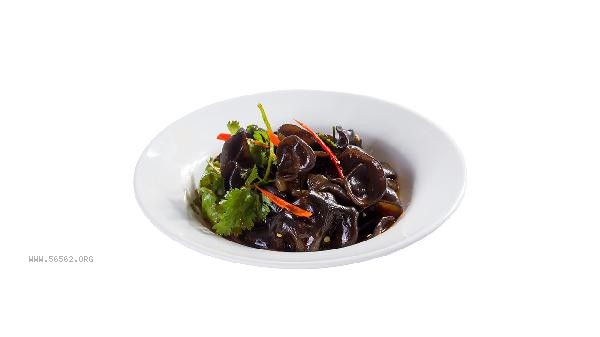
Auricularia auricula fully absorbs water and expands during the soaking process, restoring its soft texture. After drying, the water evaporates, and the nutritional components are basically preserved. Dried black fungus still contains abundant dietary fiber, iron, and gum, and can be used for stewing soup or stir frying. The operation of soaking hair and drying it in the sun is more common in dry areas, which can prolong the storage time. However, it is important to avoid direct sunlight for too long to prevent the loss of some water-soluble vitamins. If the soaking time exceeds 8 hours or the ambient temperature is high, the fungus may breed bacteria or produce harmful substances such as glycolic acid. At this time, even if dried, it is not suitable for consumption. Improper storage can cause mold growth in fungus, which can produce carcinogens such as aflatoxin. When visible black spots or unpleasant odors are detected, it must be discarded. The sticky and sour fungus caused by not drying it in time after soaking also poses a safety hazard.
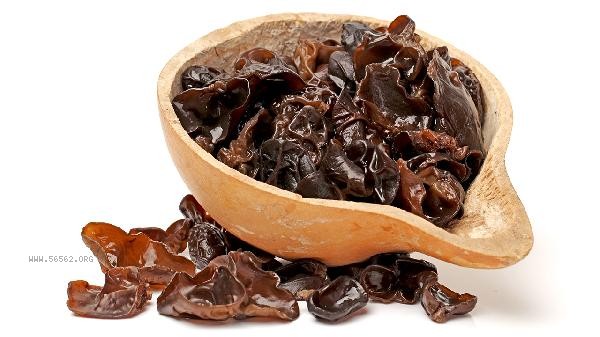
It is recommended to use cold water and control the soaking time of Auricularia auricula within 4 hours. When drying, choose a ventilated and cool place to avoid direct sunlight. Before consumption, check again for any odor or abnormal color, thoroughly clean and cook thoroughly. People with weak gastrointestinal function should reduce their intake, and seek medical attention promptly if symptoms such as abdominal pain and diarrhea occur after consumption. Daily storage of dried fungus should be sealed and moisture-proof to avoid mixing with odorous items.








Comments (0)
Leave a Comment
No comments yet
Be the first to share your thoughts!