
It is generally not recommended to consume black fungus that has been stored for twenty years. Dried fungus can be stored for 1-2 years in a dry and ventilated environment, but long-term storage can lead to nutrient loss and may breed harmful substances. The shelf life of dried fungus is greatly affected by storage conditions. If sealed and stored in a cool and dry place, most of the nutrients can be retained in the short term, but after more than two years, proteins will denature, polysaccharides will degrade, and the taste will deteriorate. If exposed to moisture during storage, the risk of fungal toxin contamination significantly increases, especially harmful substances such as aflatoxins that are resistant to high temperatures and cannot be completely removed by ordinary cooking. Even if there is no mold on the appearance, internal microbial metabolites may still accumulate. In a very small number of cases of vacuum freezing preservation, the fungus may maintain its physical integrity, but the 20-year time span far exceeds the limit of food preservation. Special products treated with military grade dehydration technology theoretically have an extended shelf life, but it is difficult to meet relevant standards for home storage. There have been reports that century old fungus can still be consumed, but there is a lack of scientific testing data to support it, and there may actually be undiscovered risks of spoilage.
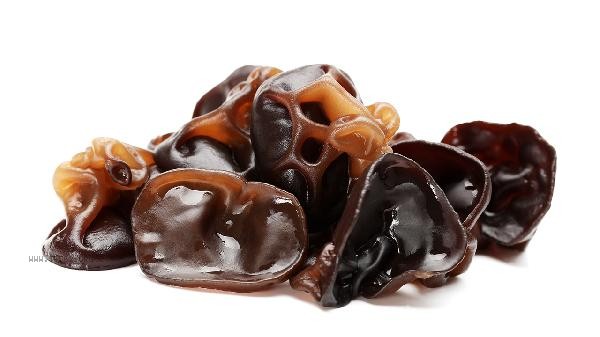
It is recommended to choose freshly dried black fungus when purchasing, and consume it as soon as possible after opening. If there is any mucus, odor or abnormal color during foaming, it should be discarded immediately. Daily storage can be sealed with desiccants and placed in the refrigeration layer of the refrigerator to delay quality deterioration. Middle aged and elderly people as well as immunocompromised groups need to pay more attention, as food poisoning caused by spoiled fungus may lead to serious consequences such as liver function damage.









Comments (0)
Leave a Comment
No comments yet
Be the first to share your thoughts!