
It is generally not recommended to freeze green beans, as direct freezing may result in poor taste and loss of nutrients. Beans are suitable for blanching and then freezing, which can better maintain texture and flavor.
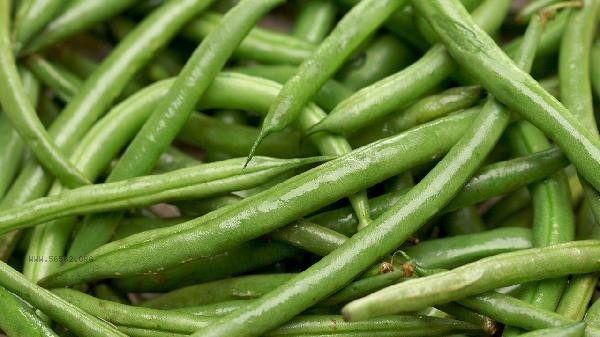
Beans contain a lot of water and active enzymes. When frozen directly, ice crystals can damage the cell structure, and they are prone to softening, rotting, and turning black after thawing. Blanching can inactivate oxidase and reduce the damage to color and taste caused by freezing. When blanching, it is recommended to treat the whole plant. After the water boils, add a small amount of salt to keep the beans fresh and green. After removing them, quickly cool them down with supercooled water and drain them. Then, pack them into sealed bags and release the air before freezing. Frozen beans can be stored for a longer period of time, but it is recommended to consume them within three months to ensure optimal flavor. If frozen green beans are needed due to special circumstances, it is necessary to ensure that the beans are fresh and undamaged. After washing, thoroughly dry the surface moisture, and tightly wrap them with plastic wrap to isolate them from the air. After thawing, the texture of raw frozen beans will become significantly tough, suitable for stewing or making fillings, not suitable for stir frying or cold mixing. Raw frozen beans may produce a small amount of nitrite during the freezing process. It is recommended to heat and cook them thoroughly before consumption. Regardless of the freezing method, repeated thawing should be avoided and small portions should be packaged for easier access.
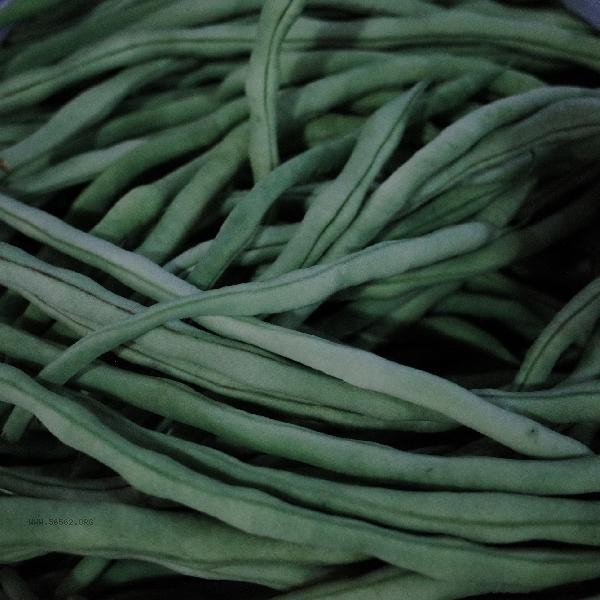
Frozen beans can be used as an emergency storage method to extend the consumption cycle, but cannot completely replace fresh beans. It is recommended to prioritize consuming fresh beans of the current season in daily life. Frozen beans should be cooked as soon as possible after thawing, and can be paired with meat or mushroom ingredients to enhance nutrient absorption. Long term consumption of large amounts of frozen vegetables may affect some vitamin intake, and fresh fruits and other dark vegetables can be supplemented appropriately to maintain nutritional balance.








Comments (0)
Leave a Comment
No comments yet
Be the first to share your thoughts!