
Bananas that have turned black from freezing can generally be eaten if they have not spoiled, but they cannot be eaten when they have spoiled. Banana freezing black is usually caused by oxidative discoloration due to cell damage caused by low temperature. If the flesh is not rotten, it can still be consumed; If there are signs of deterioration such as sour odor and stickiness, it should be discarded. It is a common phenomenon for bananas to turn black after freezing, which is related to the polyphenol oxidase contained in bananas. When bananas are frozen, their cellular structure is disrupted, and enzymes come into contact with phenolic substances to undergo browning reactions, resulting in a darker color. As long as the flesh remains intact, free of mold or odor, and is consumed after peeling, it does not affect safety, but the taste may become soft or astringent. This type of banana is more suitable for making milkshakes, baking or frying, and high-temperature treatment can improve texture. If the frozen black banana flesh shows obvious softening, water seepage, alcohol or mold odor, it indicates the growth of microorganisms or fermentation deterioration. At this point, bananas may contain mycotoxins or pathogenic bacteria, and continued consumption can cause gastrointestinal discomfort and even food poisoning. Especially the elderly, children, or those with low immunity need to be cautious, as they have weaker gastrointestinal function and are more sensitive to spoiled food. When it is difficult to judge, it can be assisted by observing whether the color of the fruit flesh is uniform and whether there is elasticity when pressed.
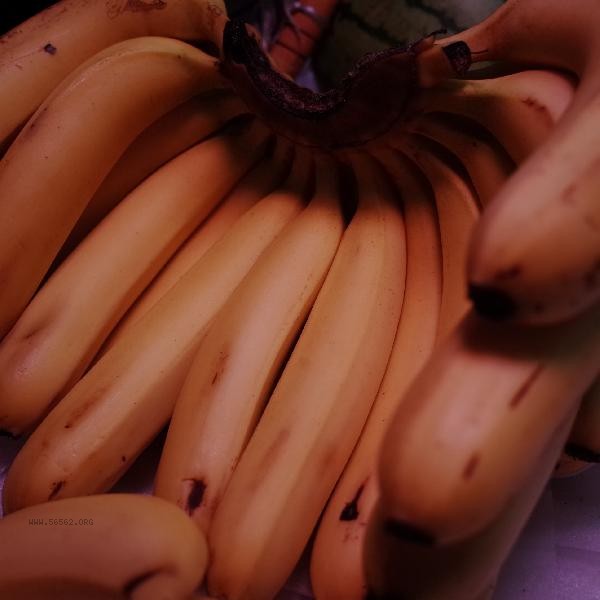
It is recommended to store bananas in a cool and ventilated place for daily use, and avoid direct refrigeration. If not consumed in the short term, it can be peeled, cut into pieces, and frozen for use in making desserts or juices. Bananas that have been frozen black should be consumed as soon as possible to avoid repeated thawing and accelerated spoilage. If abnormal or uncertain fruit pulp is found, it is recommended to discard it directly to ensure food safety.








Comments (0)
Leave a Comment
No comments yet
Be the first to share your thoughts!