
Bananas can be frozen, making them more suitable for making desserts such as milkshakes or ice cream. Bananas become soft in texture after freezing, but their nutritional value is largely preserved.
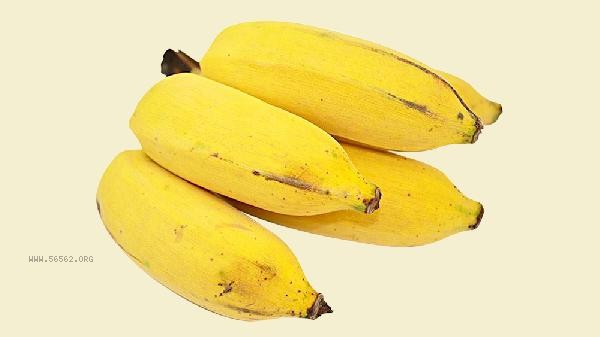
After peeling and cutting mature bananas, put them in a sealed bag and freeze them for a longer period of time. During the freezing process, the starch in bananas is converted into sugar, which may slightly increase their sweetness. Frozen bananas are suitable for being mashed directly and paired with yogurt or milk to make drinks. The cell structure of frozen bananas is disrupted, and after thawing, the taste is soft and not suitable for direct consumption. Immature green bananas are not suitable for freezing, as low temperatures can hinder the subsequent ripening process. Bananas frozen directly with skin are difficult to peel after thawing, and the flesh is prone to oxidation and blackening. If you need to store for a long time, it is recommended to crush the banana flesh and add a little lemon juice before freezing to slow down oxidation and discoloration. Frozen bananas can retain most of their vitamin B6, potassium, and dietary fiber. The freezing temperature should be kept below minus 18 degrees Celsius to avoid repeated thawing. Thawed bananas should be consumed as soon as possible, as they can easily breed bacteria if left at room temperature for too long. In addition to making desserts, frozen bananas can also be added to oatmeal Congee or baked goods as a natural sweetener.








Comments (0)
Leave a Comment
No comments yet
Be the first to share your thoughts!