
Baking soda can assist in removing some pesticide residues, but its effectiveness is limited and it needs to be used correctly. The main methods for removing pesticide residues in vegetables include rinsing with clean water, soaking in baking soda, peeling treatment, high-temperature blanching, and professional fruit and vegetable cleaning agents.
1. Rinse with clean water
Flowing water rinse is the most basic way to remove pesticide residues, which can effectively remove surface water-soluble pesticides. When rinsing, it is recommended to gently rub the surface of vegetables with your hands, especially paying attention to leaf wrinkles and root stem connections. For core vegetables, they need to be peeled layer by layer and rinsed. This method is less effective against fat soluble pesticides, but it is easy to operate and does not damage the nutrition of vegetables.
2. Baking soda soaking
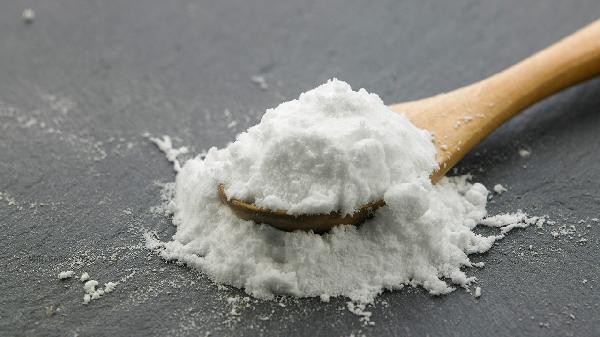
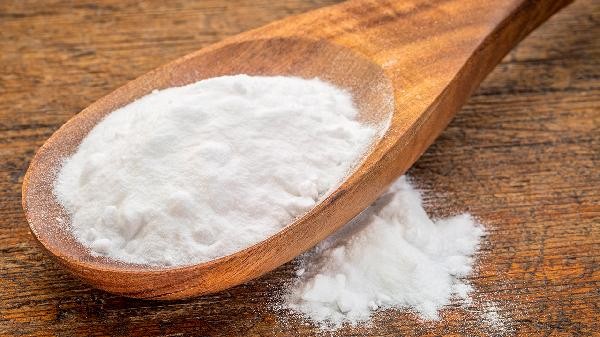
Baking soda water solution is weakly alkaline and can decompose some organic phosphorus pesticides. When using, dissolve 5 grams of baking soda in 1 liter of water, soak the vegetables for 10-15 minutes, and then rinse. This method is effective against acidic pesticides, but may affect the taste of vegetables and cannot completely remove penetrating pesticides. Leafy vegetables should not be soaked for too long to avoid nutrient loss.
3. Peeling treatment
Directly removing the skin of fruits and vegetables can eliminate most surface pesticide residues, and is suitable for skinned vegetables such as cucumbers and eggplants. Before peeling, basic cleaning is still necessary to avoid tool contamination of the fruit pulp. This method may result in the loss of some dietary fiber and skin nutrients, but is ineffective against systemic pesticides. It is recommended to remove the thicker outer layer of root vegetables.
4. High temperature blanching
Rapid blanching with boiling water can decompose some pesticide molecules at high temperatures, especially suitable for vegetables such as beans and broccoli. Put the vegetables in boiling water for 30 seconds to 1 minute, as excessive heating can damage the vitamins. After blanching, the color should be immediately maintained by supercooling water. This method is effective for pesticides with poor thermal stability, but may increase the loss of water-soluble nutrients.
5. Professional Cleaning Agent
Commercial fruit and vegetable cleaning agents contain surfactants that can remove fat soluble pesticide residues. Dilute according to the instructions and thoroughly rinse after soaking to avoid secondary contamination. When choosing, one should identify food grade raw materials and avoid phosphorus containing or strongly alkaline ingredients. This type of product may have targeted effects on certain pesticides, but it is costly and requires standardized operation.

It is recommended to use a combination method to treat different types of vegetables, such as rinsing with water first and then soaking in baking soda for a short period of time. Priority should be given to washing and blanching leafy vegetables, while root and stem vegetables are suitable for peeling treatment. Purchasing organic certified vegetables or seasonal local vegetables can reduce the risk of pesticide exposure. Long term ingestion of pesticide residues may affect liver and kidney function, and special populations such as pregnant women and children need to pay more attention to cleaning methods. Diversifying the selection of vegetable types in daily diet can diversify the exposure risk of a single pesticide.








Comments (0)
Leave a Comment
No comments yet
Be the first to share your thoughts!