
During the period of protecting the flowers and fruits of Australian nuts, insecticides can be added, but it is necessary to choose pesticides with short safety intervals and no harm to the flowers and fruits according to the type of pests and diseases. Common measures include using low toxicity pyrethroid pesticides, avoiding spraying during peak flowering periods, and prioritizing biological control.
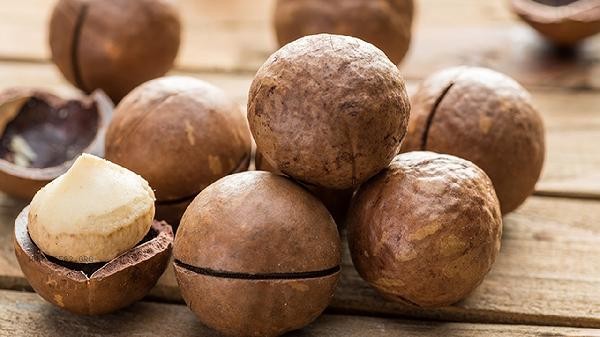
The use of insecticides during the flower and fruit preservation stage should focus on the toxicity and residual risk of the pesticide to pollinating insects. Pyrethroid insecticides such as high-efficiency cyhalothrin have good effects on small pests such as aphids and thrips, and cause less damage to nut and flower organs, but should be avoided during peak bee activity periods. New nicotine insecticides such as imidacloprid have systemic properties and can prevent piercing sucking mouthparts pests in advance, but continuous use may lead to pest resistance. Biological pesticides such as Bacillus thuringiensis or azadirachtin have specific insecticidal effects on Lepidoptera larvae, high safety factors for flowers and fruits, and are suitable for organic planting scenarios.
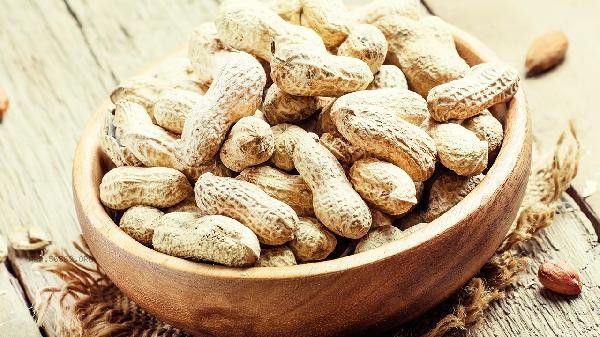
In special circumstances, caution should be exercised when selecting medications. Although organophosphate insecticides such as chlorpyrifos have a wide insecticidal spectrum, they may cause flower and fruit drop, and are not recommended for use during the flowering and fruiting period. Although mineral oil emulsion has no resistance to physical insecticides, it can easily cause fruit surface burns in high temperature weather. Some fungicides such as mancozeb may have antagonistic effects when mixed with insecticides, and small-scale experiments need to be conducted in advance. For fruit eating pests, non chemical control methods such as sexual attractants combined with traps can be used during the young fruit stage.

It is recommended to develop a comprehensive prevention and control plan based on phenological periods. During the bud stage, amino oligosaccharides can be sprayed to enhance the tree's stress resistance. After flowering, microbial preparations are preferred for controlling newly hatched larvae. Regularly inspect the orchard and implement targeted pest control measures to reduce the frequency of pesticide spraying throughout the entire orchard. At the same time, strengthen water and fertilizer management, increase tree vigor through the application of phosphorus and potassium fertilizers, and reduce the probability of pest damage. Before using any chemical agent, carefully read the label instructions and strictly follow the safety interval regulations.








Comments (0)
Leave a Comment
No comments yet
Be the first to share your thoughts!