
Abdominal scraping cannot directly achieve weight loss effects, but it may help alleviate edema or assist metabolism by promoting local blood circulation. Losing weight requires a scientific approach where calorie consumption exceeds intake. Scraping therapy can stimulate the skin and subcutaneous tissue to produce mild inflammatory reactions, which may temporarily increase local blood flow. This mechanical stimulation theoretically may promote lymphatic reflux and have a slight improvement effect on edematous obesity caused by poor circulation. But fat breakdown requires the consumption of stored triglycerides through aerobic exercise, and guasha cannot directly affect the metabolic process of adipocytes. Some people may experience temporary skin redness and fever after scraping, which is related to sympathetic nervous system excitation, but does not significantly increase basal metabolic rate. Clinical observations have found that subjects who rely solely on scraping therapy do not show significant changes in body fat percentage, and require dietary control and exercise to produce substantial weight loss effects. Traditional medicine believes that guasha can unblock meridians and improve the constitution of qi stagnation and blood stasis, which may be related to slow metabolism. But modern medicine has verified that guasha has no direct effect on key physiological mechanisms of weight loss such as hormone regulation and lipase activity. In special circumstances, such as postpartum rectus abdominis separation with circulatory disorders, guasha may assist in recovery by reducing tissue adhesion, but this belongs to the category of rehabilitation rather than weight loss. People with diabetes and skin diseases need to be more cautious. Improper scraping may aggravate the disease.
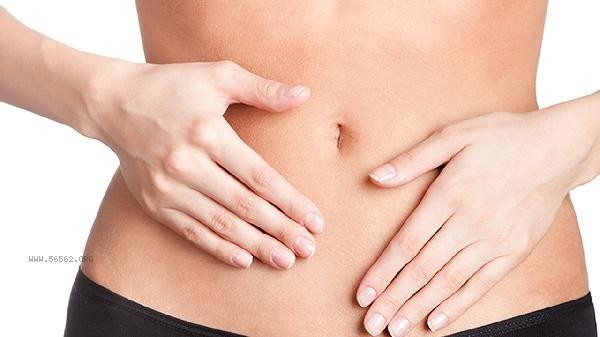
It is recommended to use guasha as an auxiliary method in conjunction with a scientific weight loss plan, maintain a daily calorie intake of 300-500 calories, and engage in moderate intensity exercise for at least 150 minutes per week. Choose a reputable medical institution to perform guasha, avoid doing it on an empty stomach or under fatigue, and pay attention to keeping warm and replenishing fluids after guasha. If there is skin damage or persistent dizziness, it should be stopped immediately. Weight management should prioritize professional guidance from nutrition and sports medicine departments.








Comments (0)
Leave a Comment
No comments yet
Be the first to share your thoughts!