
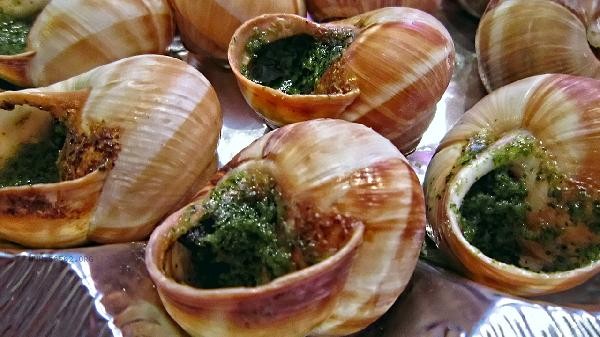
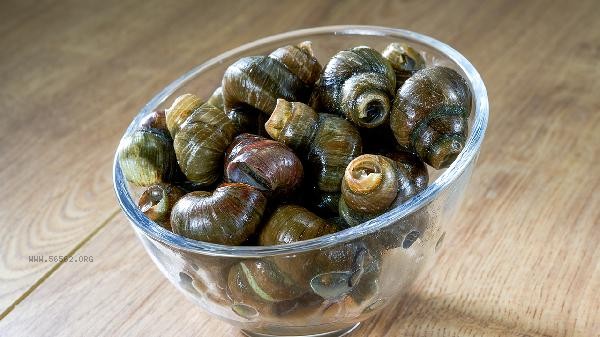
The cultivation of snails requires attention to water quality management, feed feeding, density control, disease prevention and control, and temperature regulation. During the breeding process, it is necessary to choose clean water sources, mix feed reasonably, regularly monitor water quality, prevent parasitic infections, and adjust the breeding environment according to the season.
1. Water Quality Management
Snails require high water quality and are suitable for growing in clean water bodies with neutral or weakly alkaline pH values. Aquaculture water bodies should avoid industrial pollution and pesticide residues, and regularly replace some water bodies to maintain sufficient dissolved oxygen. Lime can be used to regulate water quality, and monthly monitoring of ammonia nitrogen and nitrite content is required. If they exceed the standard, they should be dealt with promptly. Static water aquaculture requires oxygenation equipment, and the flow rate of flowing water should be controlled to not exceed the adsorption capacity of snails.
2. Feed Feeding
Snails belong to omnivorous organisms and can be fed with plant-based feed such as soybean cake, wheat bran, vegetable leaves, etc., supplemented with a small amount of fish meal to supplement animal protein. The daily feeding amount should be controlled at 3% -5% of the total body weight of snails, and fed twice in the morning and evening. The remaining feed should be cleaned up in a timely manner to prevent corruption from affecting water quality. During the breeding season, the proportion of protein feed can be increased to promote egg maturation.
3. Density control
The stocking amount per acre of water surface should be controlled at 50000 to 100000 snails according to the size of the seedlings, and maintained at 20000 to 30000 snails during the adult stage. High density can lead to slow growth and increased mortality rate. During the breeding process, it is necessary to regularly screen and feed according to specifications and grading. During the mating period, the density should be reduced to avoid damage caused by male individual fighting. The winter overwintering density can be appropriately increased, but sufficient dissolved oxygen needs to be ensured.
4. Disease Prevention and Control
Common diseases include parasitic infections, bacterial rot disease, etc. Preventive measures include disinfecting the water with salt water before release and regularly disinfecting the water with bleach powder. If sick snails are found, they should be isolated in a timely manner and treated with copper sulfate solution for medicinal bathing. Avoid using prohibited drugs and strictly adhere to the rest period after use. The surrounding area of the breeding pond should be protected from natural enemies such as rodents and waterbirds.
5. Temperature regulation
The suitable water temperature for the growth of snails is 20-28 ℃. Feeding should be stopped below 10 ℃, and death may occur above 35 ℃. During the high temperature period in summer, it is necessary to deepen the water level or build shading nets, while in areas with low temperatures in winter, insulation measures should be taken. Sudden temperature changes can easily lead to stress reactions, so it is important to note that the temperature difference should not exceed 3 ℃ when changing water. Normal feeding begins when the water temperature rises above 15 ℃ in spring. In the process of snail farming, complete production records should be established, including feeding amount, water quality parameters, growth status, and other data. Regularly check the health status of the snail body and observe whether feeding and activity are normal. Before harvesting, stop eating for 2-3 days to empty the sediment, and keep the transportation process moist and ventilated. Select individuals with strong physique and bright shell color as snail species, and separate different strains for breeding to avoid hybridization. Scientific management can achieve an annual harvest of 2-3 crops in aquaculture.








Comments (0)
Leave a Comment
No comments yet
Be the first to share your thoughts!