
Wearing a thick coat in winter, the numbers on the weight scale seem less dazzling? Don't be fooled by appearances - when you take off your down jacket and stand on the body fat scale, that soaring body fat percentage number may be secretly mocking your daily weight loss method of skipping exercises on an empty stomach. A true good figure is never achieved through hunger, but through the support of muscles.
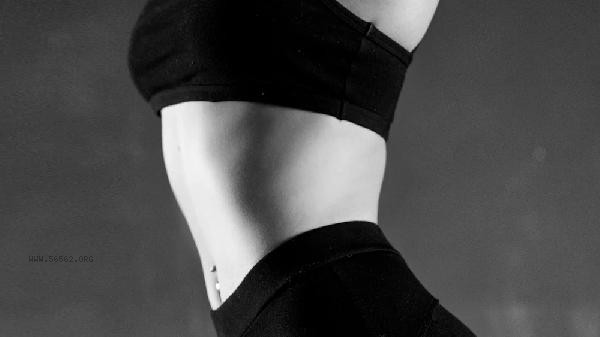
1. Why is body fat percentage more important than body weight?
1. Body weight contains various components such as water, muscle, and bone, and most of the weight lost through intense dieting is water and muscle. And 1 kilogram of muscle burns three times more calories per day than fat, muscle loss means a decrease in basal metabolic rate, which is why dieting and weight loss always rebound.
2. Body fat percentage directly reflects visceral fat content. When the body fat percentage of males exceeds 20% and females exceeds 30%, fat may begin to envelop internal organs, triggering metabolic problems such as fatty liver and insulin resistance. At this time, even if the BMI is normal, it is still latent obesity.
3. In winter, the human body instinctively stores fat to keep warm, but the muscles gained through strength training are like those carried around; Warm Baby "; Not only can it improve heat generation efficiency, but it can also shape tight lines, which is the true essence; Wearing clothes makes you look thin, but taking off clothes gives you flesh;.
Two or three signals indicate that you are losing muscle
1. Weight loss but waist circumference remains unchanged: Fat tends to accumulate in the waist and abdomen. If you lose weight but waist circumference remains unchanged, it is likely that you are losing muscle rather than fat.
2. Slow recovery after exercise: People with high muscle mass have faster lactate metabolism. If the duration of soreness after exercise is found to be prolonged, it may be a signal of reduced muscle mass.
3. Increased fear of cold: Muscles are important thermogenic tissues, especially in winter when they are particularly cold and their hands and feet are cold, which may be due to muscle loss leading to a decrease in their ability to regulate body temperature.
III. Winter Muscle Building and Fat Loss Golden Plan
1. Protein should be consumed at 1.5-2 times the weight in kilograms. Select high-quality proteins such as beef, chicken breast, salmon, etc. Vegetarians can use a combination of tofu and quinoa to improve protein utilization. Eating enough protein for breakfast can significantly reduce appetite throughout the day.
2. Control aerobic exercise time within 30 minutes. Excessive aerobic activity can deplete muscles. It is recommended to use HIIT or variable speed running, and immediately supplement whey protein and bananas to prevent muscle breakdown.
3 strength training sessions per week. Compound movements such as squats, hard pulls, and bench presses can activate multiple muscle groups simultaneously, and beginners using elastic bands for home training are equally effective. Muscle micro injuries after training need to be repaired within 48 hours, and it is important to avoid practicing the same area every day.
4. Cracking the myth of muscle building diet
1. It's not just fitness meals that can increase muscle. Braised beef, white grilled shrimp, and steamed eggs in home cooked dishes are all high-quality sources of protein, just control the oil and salt. In winter, eat more lamb stewed with radish, crucian carp and tofu soup as warm and nutritious dishes.
2. carbohydrates are not enemies. Adding fast carbon (such as rice and Mantou) within 2 hours after strength training can promote insulin secretion and help muscle synthesis. In winter, it is recommended to use low GI carbohydrates such as sweet potatoes and pumpkins to avoid drastic fluctuations in blood sugar levels.
3. It is not necessary to completely quit fat. Unsaturated fatty acids in nuts can promote testosterone secretion. Men eat 30 grams of almonds or walnuts per day, while women choose flaxseed oil mixed with salad, which is very helpful for muscle growth. Standing on a body fat scale and watching the steady increase in muscle mass is much more interesting than simply pursuing weight loss. Instead of shivering while counting calories in an air-conditioned room this winter, it's better to step into the gym and feel the temperature of muscle exertion - when your body fat percentage drops to the ideal range, next spring When Tian takes off his coat, the clearly defined figure in the mirror will thank you for sweating now.








Comments (0)
Leave a Comment
No comments yet
Be the first to share your thoughts!