
It is usually not recommended to consume bananas when there are large areas of black spots on the skin or when the flesh becomes soft and sour. The shelf life of bananas is affected by factors such as maturity, storage temperature, degree of skin damage, humidity conditions, and ethylene exposure. Bananas are post ripe fruits that continue to ripen even after harvesting. Green bananas that are not fully ripe can be stored at room temperature for 3-5 days, during which starch gradually converts into sugar, resulting in a sweeter and softer taste. If placed in a cool and ventilated place at 12-15 degrees Celsius, the shelf life can be extended to about 7 days. The high temperature environment in summer will accelerate the maturation process and may completely soften within 24 hours. Bananas that have completely turned yellow should be consumed within 2 days, as they have the highest sugar content but are prone to spoilage. refrigeration can cause the skin to quickly turn black, but the flesh can still maintain its edible state for 1-2 days. If the banana has been peeled or the flesh has a transparent water stain and emits an alcohol smell, it indicates that it has gone bad. When accompanied by mold or mucus, it may breed mycotoxins and should be discarded immediately.
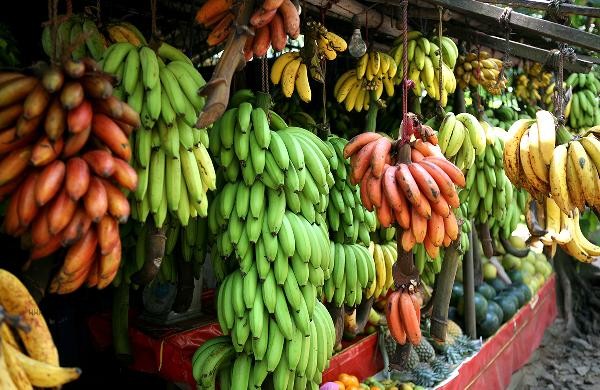
It is recommended to hang bananas to reduce compression and avoid storing them together with fruits such as apples that release a large amount of ethylene. Bananas with mild black spots can be used to make milkshakes or baked goods, while those with weak gastrointestinal function and infants should choose fresh bananas. It is advisable to take 1-2 pieces every day, and diabetes patients need to control their intake.








Comments (0)
Leave a Comment
No comments yet
Be the first to share your thoughts!