
Meat is prone to spoilage within the temperature range of 5 ℃ to 60 ℃, mainly due to factors such as microbial growth rate, enzyme activity, oxidation reaction, water activity, and storage time. In the temperature range of 5 ℃ to 60 ℃, the growth rate of microorganisms in meat is significantly accelerated. Common spoilage bacteria such as Pseudomonas and Escherichia coli can rapidly break down proteins and fats, producing odors and toxins. refrigeration temperatures below 5 ℃ can inhibit the growth of most bacteria, but some psychrophilic bacteria can still reproduce slowly. Although freezing can preserve for a long time, the temperature rise to the danger zone during thawing can still cause deterioration. When the temperature exceeds 60 ℃, most microorganisms are killed, but high temperature environments accelerate fat oxidation and protein denaturation. Meat that is repeatedly heated and cooled is more likely to breed heat-resistant Bacillus subtilis. Vacuum packaging or the addition of preservatives can appropriately delay deterioration, but cannot completely prevent it. Raw meat has a high surface moisture content and is more susceptible to temperature effects than processed meat products.
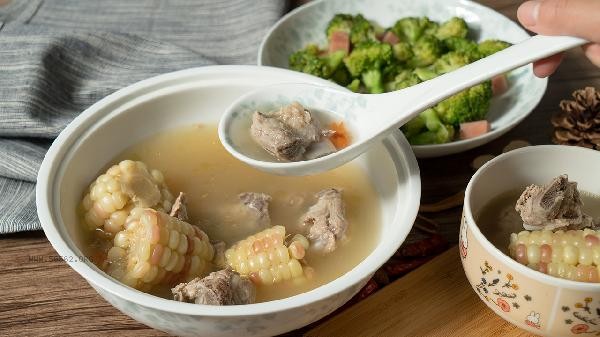
It is recommended to refrigerate raw meat below 4 ℃ or freeze it for a long time below -18 ℃, and consume it as soon as possible after cooking. Avoid keeping meat at room temperature for a long time, especially during high temperatures in summer. When purchasing, choose fresh meat with normal color and no odor, and strictly distinguish between raw and cooked food utensils during the processing to effectively reduce the risk of spoilage. If the meat is found to be sticky, slippery, greenish, or has a rancid taste, it should be discarded immediately.








Comments (0)
Leave a Comment
No comments yet
Be the first to share your thoughts!