
Food generally does not spoil in environments below 5 degrees Celsius, but there are differences in the storage temperature requirements for different foods. The main factors affecting food preservation include food type, packaging method, humidity conditions, degree of microbial contamination, and preservation time.
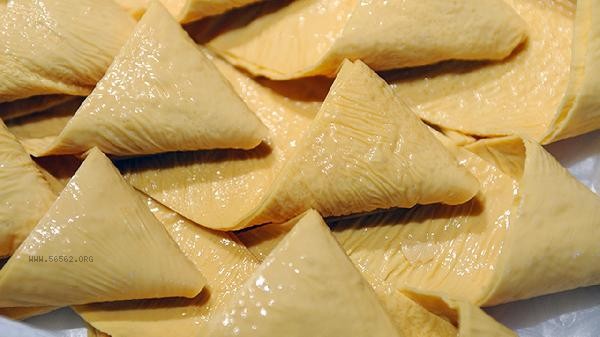
1. Food types
There are significant differences in temperature sensitivity among different foods. Fresh meat, dairy products and other perishable foods should be refrigerated at 0-4 degrees Celsius, while frozen foods should be stored below -18 degrees Celsius. Dry grains and canned foods can be stored for a long time at room temperature, but high temperature environments can still accelerate quality deterioration. Root vegetables are suitable for storage at 8-12 degrees Celsius, as low temperatures can actually cause frostbite.
2. Packaging Method
Vacuum packaging can effectively isolate oxygen and prolong the storage time of food at the same temperature. Modified atmosphere packaging inhibits microbial growth by adjusting the gas ratio, and some pre packaged dishes can be stored for longer at temperatures below 10 degrees Celsius. Unpackaged exposed food is susceptible to cross contamination even when stored at low temperatures.
3. Humidity conditions
Dry environments can inhibit mold growth and are suitable for storing dry goods with low moisture content. High humidity environments can easily lead to condensation, causing dry foods such as cookies to become damp and spoil. Some vegetables require a humidity of over 90% for preservation, but they need to be kept at low temperatures to prevent mold growth.
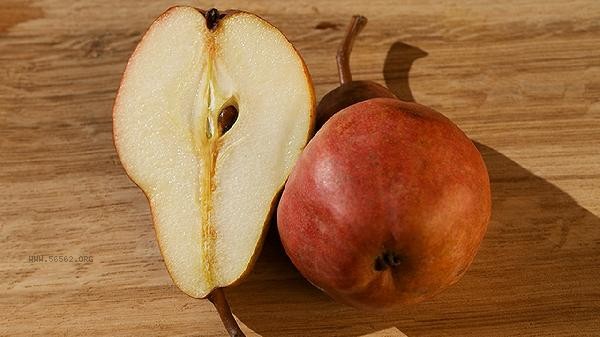
4. Microbial contamination
The initial bacterial count of food directly affects the preservation effect. Food that is heavily contaminated during processing can quickly spoil even at low temperatures. Pre cooked and sterilized food can be stored at higher temperatures, such as ultra-high temperature sterilized milk, which has a shelf life of several months at room temperature.
5. Storage Time
Short term storage requires relatively loose temperature requirements, while long-term storage requires stricter temperature control. Frozen food can be stored for several months at -18 degrees Celsius, but frequent opening and closing of household refrigerators can shorten their shelf life due to temperature fluctuations. Processing methods such as pickling and sugar soaking can appropriately relax the storage temperature requirements.
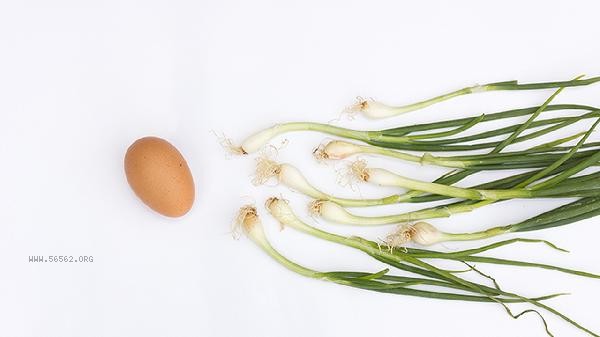
It is recommended to choose the appropriate temperature for daily food preservation based on the specific characteristics of the ingredients. Fresh food should be stored at low temperatures as much as possible and consumed as soon as possible. Regularly clean the refrigerator to avoid cross contamination, and store different types of food in designated areas. Pay attention to changes in food condition and odor production. If mold or texture changes occur, discard immediately. Reasonably plan the procurement quantity to reduce the risk of nutrient loss and spoilage caused by long-term food storage.








Comments (0)
Leave a Comment
No comments yet
Be the first to share your thoughts!