
Winter carrots are not considered off-season vegetables. Carrots belong to the category of root vegetables with strong cold resistance. Autumn and winter are their natural maturity periods. In northern China, fresh carrots can be supplied through cellar storage or greenhouse cultivation during winter. Carrots are a typical cold resistant crop, with a natural growth cycle of sowing in summer and harvesting in autumn. After being stored at low temperatures, autumn ripe carrots accumulate more sugar and have a sweeter and crisper taste. In northern regions, storing carrots in cellars can keep them fresh for several months, and the carrots sold in winter markets are mostly scientifically stored products harvested in autumn. Some production areas use greenhouse technology to achieve winter planting, extending the growth period through temperature control. This artificial intervention belongs to the normal production mode of modern agriculture and is fundamentally different from off-season ripening.
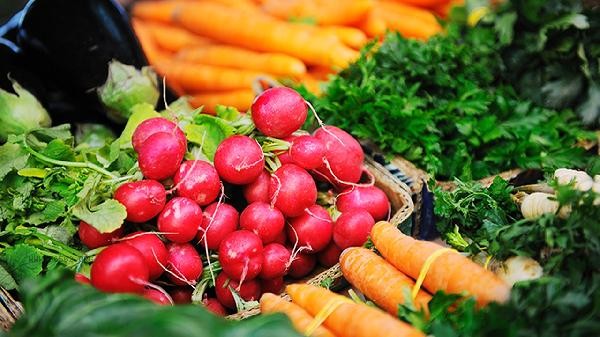
Off season vegetables usually refer to artificially changing the growth environment to make crops available during non natural growing seasons. Cross season vegetables such as broccoli grown in summer and watermelon grown in winter are considered to have off-season characteristics. The supply of carrots in winter mainly relies on storage technology rather than off-season planting, and their nutritional composition is basically the same as that harvested in autumn. The content of β - carotene and other nutrients is stable, and they can still obtain complete nutritional value when consumed in winter.
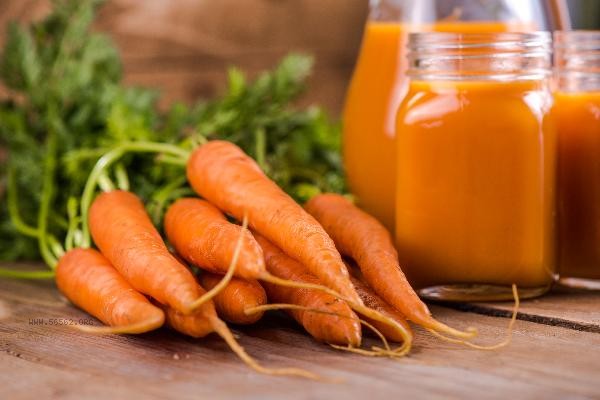
When choosing carrots in winter, you can observe the condition of the roots. Carrots stored well have fewer roots and a smooth surface. It is recommended to cook with animal fats to promote the absorption of fat soluble vitamins. People with yin deficiency constitution should consume in moderation to avoid overheating. Remove the leaves during storage and wrap them in newspaper for refrigeration to avoid nutrient loss caused by germination.








Comments (0)
Leave a Comment
No comments yet
Be the first to share your thoughts!