
There is no distinction between male and female walnuts, and their morphological differences mainly stem from variety and growth environment factors. The pairing criteria for cultural walnut mainly consider factors such as pattern symmetry, size consistency, and cortical similarity.
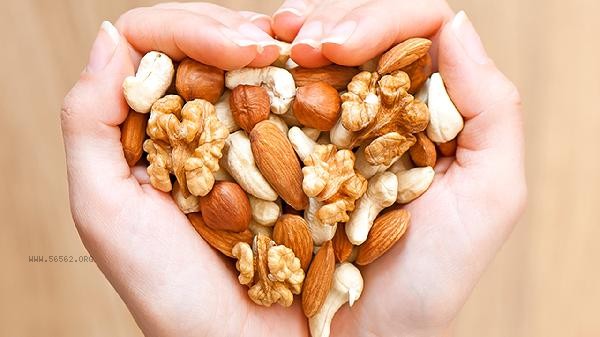
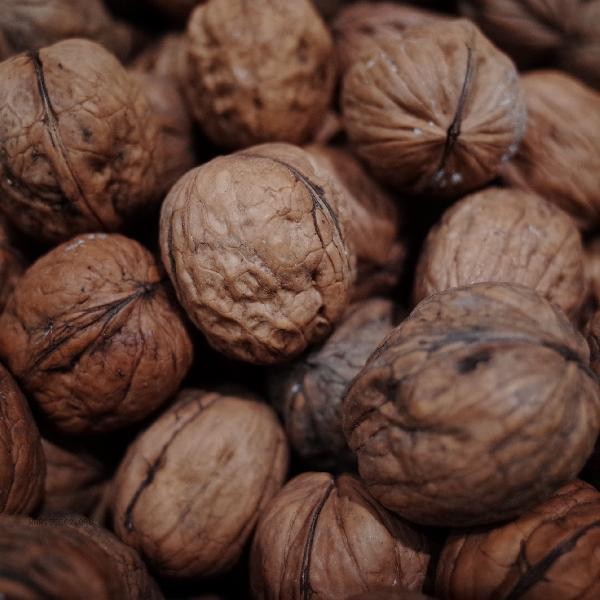
Walnuts are artificially selected and paired walnuts, which belong to monoecious plants in botany. The same tree blooms and bears fruit. The term 'male and female' in the market is only a metaphorical description of the external characteristics of walnuts in folk culture. For example, those with rounded and flat edges are often referred to as female walnuts, while those with sharp edges and towering pilings are called male walnuts. This classification has no scientific basis, and in actual selection, the core evaluation criteria should be whether the patterns of the two walnuts can be mirrored symmetrically, whether the weight is balanced, and whether the collision sound is crisp and uniform. Some merchants deliberately emphasize the concept of male and female to create marketing gimmicks, but the reproductive characteristics of plants determine that gender differentiation of walnut fruits does not exist. The maturity, cortical density, and later maintenance methods of walnuts truly affect the playing effect. It is recommended to choose walnuts with consistent texture depth and no insect eye cracks. When playing with them daily, pay attention to regularly cleaning the dirt in the gaps, avoiding exposure to sunlight or humid environments. Long term rubbing can make the patina even and transparent. The collection value of cultural walnut depends on the precision of pairing and the effect of playing, regardless of whether its appearance conforms to the so-called male and female characteristics of the table. Newcomers can give priority to varieties with thick leather when choosing, such as White Lion Head and Apple Orchard, which have clear patterns and fast coloring speed. During the maintenance process, it can be cleaned regularly with a soft bristled brush to avoid contact with chemical agents. After years of use, it can form a warm and jade like amber colored patina.








Comments (0)
Leave a Comment
No comments yet
Be the first to share your thoughts!