
Undercooked edamame may contain toxins, it is recommended to fully cook it before consumption. Uncooked edamame contains natural anti nutritional factors such as saponins and plant lectins, which may cause gastrointestinal discomfort. The saponins in edamame can decompose at high temperatures, but if not thoroughly cooked, they may irritate the gastrointestinal mucosa, leading to nausea, vomiting, or diarrhea. Plant lectins can interfere with nutrient absorption, and sufficient heating can inactivate them. Some people are more sensitive to unripe beans, and children or those with weak digestive function need to pay special attention. Wild or improperly stored edamame may carry mycotoxins that are difficult to completely remove even when cooked. Sprouted and spoiled edamame will produce higher concentrations of harmful substances and need to be discarded directly. When cooking, it is recommended to continue boiling for at least 15 minutes after the water has boiled, to ensure that the pods and beans are completely softened, and to avoid rapid blanching or cold mixing with raw food.
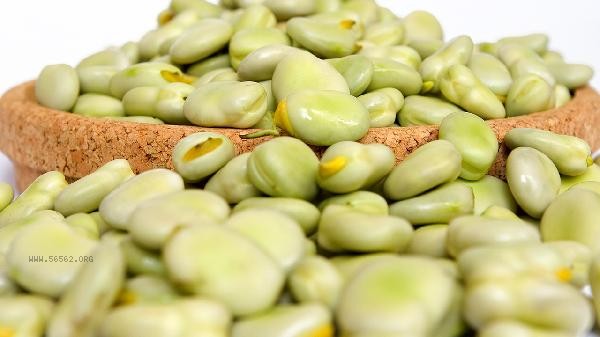
For daily consumption of edamame, fresh and plump pods should be chosen, and thoroughly cleaned before cooking. Pairing vegetables and fruits rich in vitamin C can help increase iron absorption. If there are abnormal reactions such as dizziness and abdominal pain after consumption, immediately stop eating and seek medical attention. Store in a cool and shady place to avoid mold growth caused by damp conditions.










Comments (0)
Leave a Comment
No comments yet
Be the first to share your thoughts!