
The acidity and sourness of tomatoes vary depending on the variety and maturity. In most cases, tomatoes with high maturity tend to be sweeter, while those that are not fully ripe tend to be sour. The main factors that affect taste include variety characteristics, planting environment, harvesting time, storage conditions, and consumption methods.
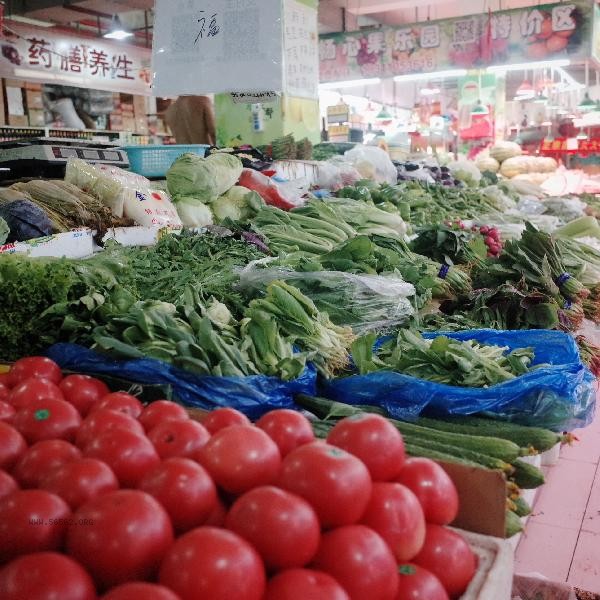
1. Variety Characteristics
There are significant differences in the sugar acid ratio of tomatoes among different varieties. Traditional large fruit varieties such as pink crowned tomatoes have high acidity and thick flesh; Small varieties such as cherry tomatoes usually have a higher sugar content than ordinary varieties and a sweeter taste; In recent years, special varieties such as golden tomatoes have been cultivated to achieve significant sweetness by reducing their citric acid content. Fresh tomatoes cultivated through hybrid technology intentionally increase the fructose ratio, making them suitable for direct consumption.
2. Planting Environment
Tomatoes grown in regions with large temperature differences between day and night, such as Xinjiang, have weaker nighttime respiration and more abundant sugar accumulation; Greenhouse cultivation can delay the generation of organic acids by controlling temperature and humidity; Adequate potassium in the soil can promote sugar conversion, while excessive nitrogen fertilizer can lead to fruit sourness. Outdoor planting is greatly affected by rainwater, and continuous rainfall can dilute the sugar content of the fruit.
3. Harvesting time
Tomatoes harvested during the full color transition period have completely converted starch into soluble sugars; Fruits harvested too early have higher levels of citric acid and malic acid. Commercial tomatoes are often harvested during the green ripening period, and insufficient sugar conversion after ethylene ripening is the main cause of the obvious sour taste. Tomatoes that mature naturally on the branches can have a sugar content of 6-8 degrees, much higher than fruits harvested in advance.
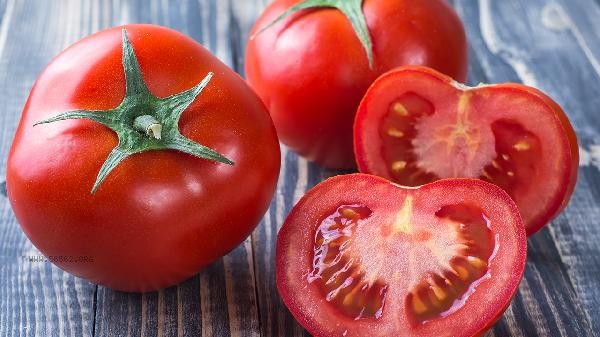
4. Storage Conditions
Low temperature storage can inhibit the sugar accumulation process of tomatoes, and environments below 4 ℃ can damage cell structure and produce a sour taste; During the ripening process at room temperature, amylase continuously hydrolyzes starch into maltose and glucose. Although the tomato skin ripened by ethylene gas is red, the flesh remains hard and the acidity does not decrease significantly, while the naturally softened fruit has a significant increase in sweetness.
5. Eating method
Heating and cooking can decompose some organic acids, making processed products such as tomato sauce more prominent in sweetness; Refrigerated tomatoes taste more sour and astringent due to increased sensitivity of taste buds to acid; Eating with oil can slow down the perception of sourness, such as olive oil mixed with tomatoes can balance the taste. In terms of variety selection, strawberry tomatoes with high sugar to acid ratio are recommended for fresh consumption, while Roman tomatoes with high acidity are suitable for cooking.
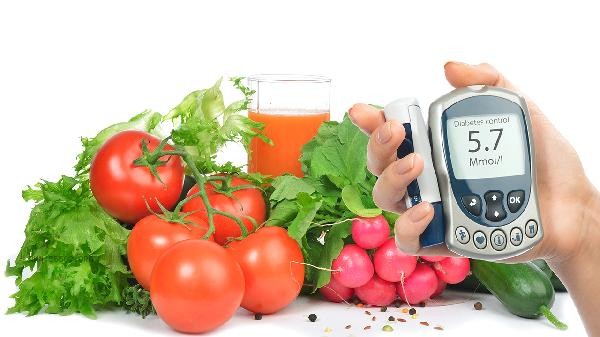
When making daily purchases, maturity can be determined by observing the color of the tomato stem. Fully ripe tomatoes have a yellow or white color around the stem. Storing at around 12 ℃ in a cool and shady place can delay the increase in acidity and avoid direct sunlight. Before consumption, let it sit at room temperature for 1-2 days to fully convert the sugar. In summer, it can be slightly refrigerated and sprinkled with a small amount of salt to balance the sour and sweet ratio. Special populations such as those with excessive stomach acid are recommended to choose ripe tomatoes or consume them after heating to reduce gastrointestinal irritation. Planting enthusiasts can enhance the sweetness of home grown tomatoes by controlling watering and increasing light exposure time.








Comments (0)
Leave a Comment
No comments yet
Be the first to share your thoughts!