
Double eyelid surgery can generally be performed for thick eyelids, but it needs to be evaluated comprehensively based on eyelid thickness, skin laxity, and fat accumulation. The main surgical methods for double eyelid surgery include incision, thread embedding, three-point positioning, etc. Doctors will choose the appropriate surgical method based on individual differences. For those with thick eyelids but good skin elasticity, the incision method can usually be used to remove excess fat and skin, forming natural double eyelid folds. This group of people may have a slightly longer postoperative recovery period and require strict adherence to medical advice for care. If accompanied by mild ptosis of the upper eyelid, the function of the levator muscle can be adjusted synchronously during surgery to improve the shape of the eye. Swelling and bruising may occur in the early postoperative period, which usually gradually subsides within 1-2 weeks and presents the final effect within 3-6 months. For patients with severe eye swelling accompanied by excessive skin laxity, the surgical plan should be carefully evaluated. Excessive orbital fat may increase the risk of postoperative slimness, which needs to be avoided through precise fat removal and double eyelid line design. Some individuals may have a tendency towards scar hyperplasia, and preoperative skin texture assessment is necessary. When combining systemic diseases such as thyroid related eye diseases, priority should be given to controlling the primary disease before considering surgery.
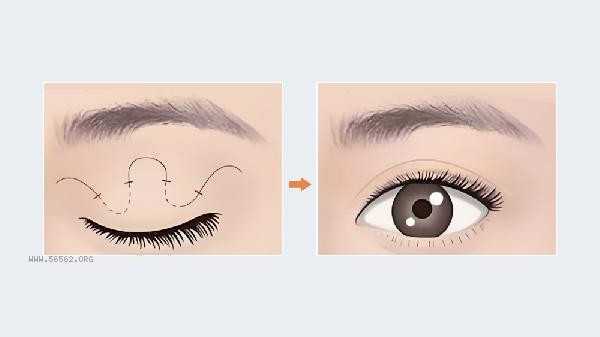
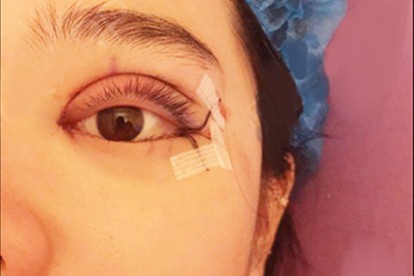
It is recommended to go to a regular medical institution for a facial examination before surgery, and evaluate the eye conditions through professional doctors' palpation and imaging examinations. After surgery, it is necessary to keep the wound clean and dry, avoid rubbing the eyes and vigorous exercise, and regularly follow up to observe the recovery situation. supplementing high-quality protein and vitamins appropriately in diet, avoiding spicy and stimulating foods, can help with wound healing and shape stability.








Comments (0)
Leave a Comment
No comments yet
Be the first to share your thoughts!