
Fresh beans are usually non-toxic after freezing, but they need to be thoroughly heated and cooked before consumption after thawing. Beans contain natural plant lectins, and insufficient heating may cause gastrointestinal discomfort. Freezing itself does not produce toxins in beans, but low-temperature storage may affect cell structure. If not thoroughly cooked after thawing, residual saponins and plant hemagglutinin may stimulate the digestive tract. It is recommended to blanch fresh beans before freezing to break down some of the anti nutritional substances. After freezing, the texture becomes softer and more suitable for stewing.
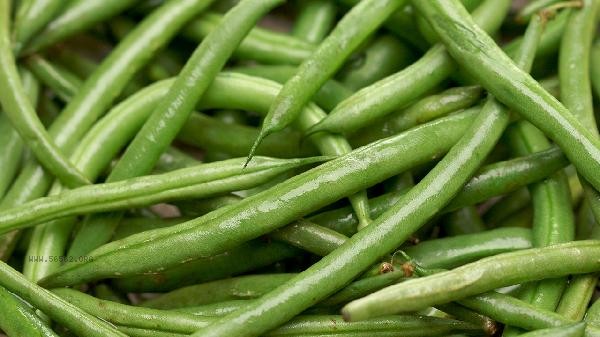
If thawed and directly cold mixed or quickly stir fried without reaching a temperature of 100 degrees Celsius or above, continuous heating may cause discomfort such as nausea and vomiting. Especially during the household freezing process, temperature fluctuations may cause some cells to rupture, and the released natural toxins need to be decomposed at high temperatures. Traditional Northeast frozen beans need to be stewed with meat for a long time, using high temperature to completely inactivate potential risk components.
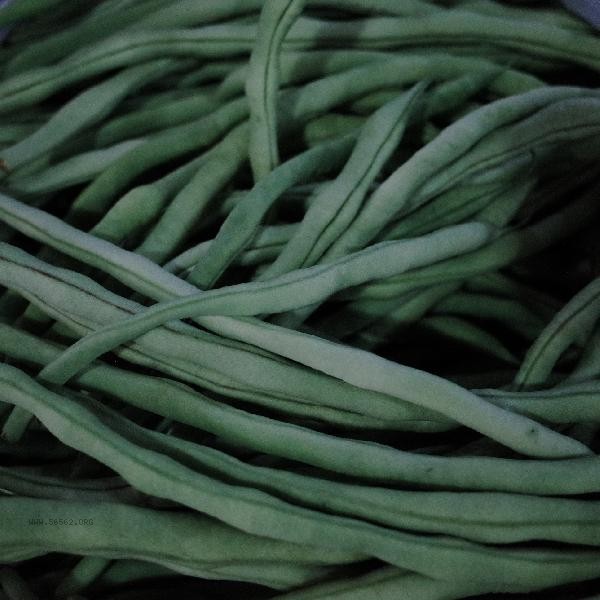
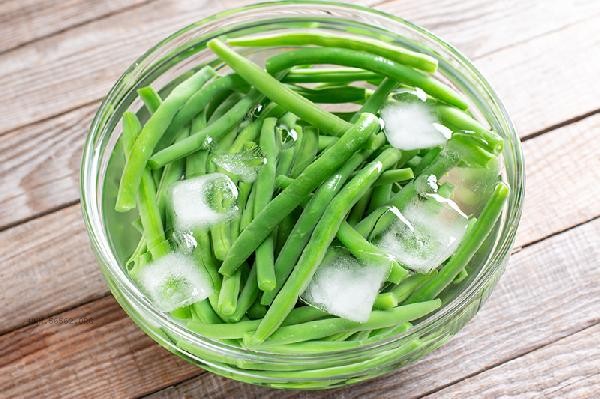
When handling frozen beans in daily life, it is recommended to first thaw them quickly with running water, then blanch them in boiling water for more than 3 minutes, or use cooking methods such as braising or stewing for a long time. Avoid making cold dishes or stir fried dishes with frozen beans, especially for the elderly, children, and those with weak gastrointestinal function. Whether fresh or frozen, sufficient heating is the key to ensuring safety for bean based ingredients. Paired with garlic, ginger, and other additives, it can enhance taste and help reduce potential risks.








Comments (0)
Leave a Comment
No comments yet
Be the first to share your thoughts!