
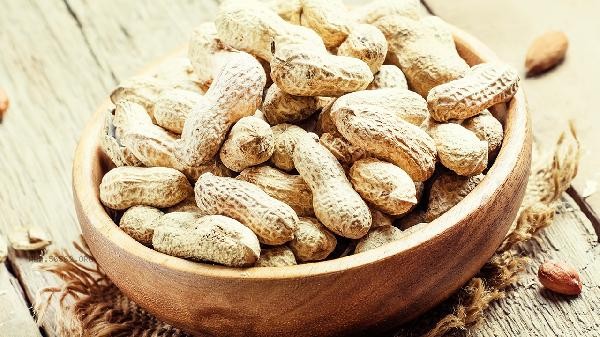
Peanuts without shells are indeed more prone to mold than peanuts with shells. Peanuts lose their outer layer of protection after being shelled, making them more susceptible to environmental humidity, temperature, and microbial influences, thereby increasing the probability of mold growth. Peanuts without shells have an increased exposed surface area due to the lack of a physical barrier from the outer shell, making them more in direct contact with moisture and microorganisms in the air. In a high temperature and high humidity environment, the growth rate of mold will significantly accelerate, leading to peanut mold growth in a short period of time. If peanuts are not sealed tightly or stored for too long after shelling, they are also prone to mold growth during storage. Common molds such as Aspergillus flavus can produce aflatoxins, which pose a threat to human health. Although peanuts with shells may also have the possibility of mold growth, the outer shell can to some extent block the invasion of external moisture and microorganisms, delaying the process of mold growth. However, if the storage environment is too humid or the temperature is too high, shelled peanuts can also mold. Both peanuts with and without shells need to be stored in a dry and cool environment to avoid prolonged exposure to air. To prevent peanut mold, it is recommended to store unshelled peanuts in a sealed container and place them in a cool, dry place, away from direct sunlight and high temperatures. When purchasing, choose fresh and dry peanuts to avoid buying too many at once and storing them for too long. If peanuts show signs of mold, they should be discarded immediately and not consumed to avoid ingesting harmful toxins that can affect health. At the same time, regularly inspect the stored peanuts to ensure their quality and safety.









Comments (0)
Leave a Comment
No comments yet
Be the first to share your thoughts!