
Mushrooms with a foul odor do not necessarily mean they are bad, it may be due to the characteristics of the variety or improper storage. Some edible mushrooms, such as the Black Tiger Palm mushroom, have a special odor, while spoiled mushrooms are accompanied by sticky and discolored characteristics. The odor produced by fresh mushrooms is usually related to the storage environment. Microbial reproduction under humid and sealed conditions can lead to mushroom decay, manifested as sticky caps, blackened gills, and soft and rotten texture. These spoiled mushrooms may breed mycotoxins, which can cause gastrointestinal discomfort after consumption and should be discarded immediately. Some edible fungi, such as sulfur bacteria, have a similar odor to rotten eggs, but their flesh is solid and brightly colored, which is a normal phenomenon. The dried mushrooms commonly consumed in Yunnan region also have a strong earthy odor, which will be reduced after cooking. Some special varieties of mushrooms have a naturally stimulating odor. The medicinal fungus Lei Wan contains sulfur-containing compounds that emit a foul odor, but its active ingredients are more likely to precipitate after drying and slicing. The rich aroma of European cuisine black truffles comes from male pig enol, which is precisely a quality indicator. Matsutake mushrooms in Japanese cuisine also have a unique pine wood smell, and their flavor is best when the mushroom stem is hard and the mushroom umbrella is not opened in a fresh state.
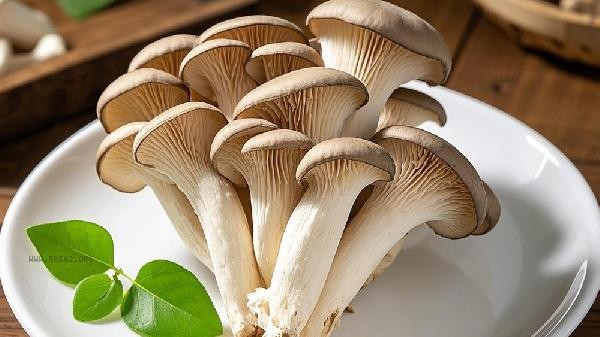
When purchasing mushrooms, the appearance should be observed for completeness and dryness, and the elasticity should be checked by pressing. If the odor is accompanied by tissue ulceration, it is not edible. Daily storage requires wrapping in kraft paper bags for refrigeration, avoiding sealing with plastic bags. Soaking in salt water before cooking can reduce the earthy smell, and wild mushrooms must be thoroughly heated. If symptoms of poisoning such as vomiting and diarrhea occur, seek medical attention immediately and keep food samples for testing.








Comments (0)
Leave a Comment
No comments yet
Be the first to share your thoughts!