
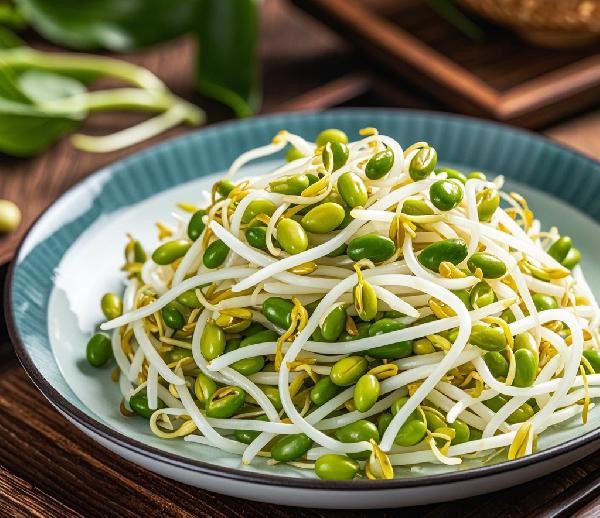
Green bean sprouts that are not fully cooked are usually non-toxic, but may cause gastrointestinal discomfort. Green bean sprouts themselves do not contain natural toxins, but insufficient heating may result in residual bacteria or digestive problems. Green bean sprouts are tender sprouts of green beans that have been soaked in water. Their nutritional components are mainly vitamin C, dietary fiber, and plant protein. The cell wall of raw bean sprouts has not been damaged by high temperatures, and the protease inhibitors and phytic acid they contain may interfere with protein absorption. Some people may experience digestive symptoms such as bloating and diarrhea after consuming them. Bean sprouts grow in a humid environment. If the hygiene conditions during cultivation are poor, pathogenic microorganisms such as Salmonella and Escherichia coli may adhere to the surface. Thoroughly heating can effectively kill these bacteria. In rare cases, bean sprouts may produce mycotoxins due to improper storage or chemical residues caused by the use of illegal additives during cultivation. These substances are heat-resistant and difficult to completely decompose even after thorough cooking, but the probability of such problems occurring with bean sprouts purchased through legitimate channels is extremely low. It is recommended to choose bean sprouts with white sprouts and refreshing roots. Before cooking, rinse with running water and ensure that the center temperature reaches 70 degrees Celsius or above by stir frying or blanching.
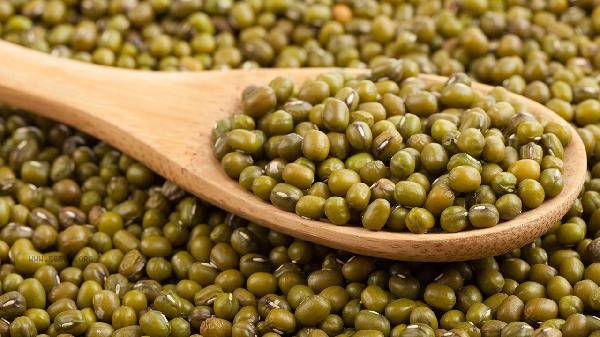
It is recommended to pair mung bean sprouts with antibacterial seasonings such as ginger and garlic for daily consumption. For those with weak gastrointestinal function, the heating time can be extended until the sprouts become transparent. Avoid consuming large amounts of unripe bean sprouts at once, and seek medical attention promptly if you experience persistent abdominal pain and vomiting. When storing, it is necessary to refrigerate and consume as soon as possible. Sprouts that have germinated for more than 5 days have decreased nutritional value and are prone to spoilage, making them unsuitable for further cooking.








Comments (0)
Leave a Comment
No comments yet
Be the first to share your thoughts!