
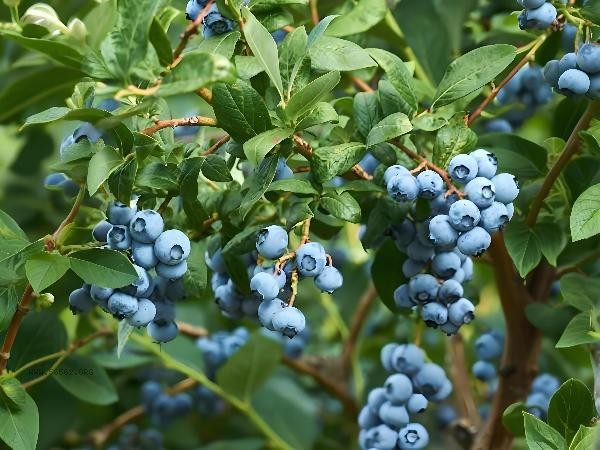
The taste of fresh blueberries varies depending on the variety and maturity. In most cases, they present a balanced sour and sweet flavor, while a few varieties may be slightly sour or sweet. The acidity and sourness of blueberries mainly depend on the ratio of sugar to organic acids in the fruit. Blueberries with high maturity usually have higher sugar content, obvious white frost on the surface of the skin, soft and juicy flesh, and relatively prominent sweetness. Blueberries grown naturally in the open air during summer have a large temperature difference between day and night, sufficient sugar accumulation, moderate acidity, and a better taste. There are significant differences between different varieties, for example, some high bush blueberries have a higher sweetness, while wild dwarf bush blueberries often have a stronger sour taste. Blueberries that have been harvested and properly refrigerated will gradually convert starch into sugars, which may enhance their sweetness. Some partially immature blueberries or specific varieties may have a strong sour taste, and these fruits usually have hard skin and a reddish purple color. Blueberries grown in low light environments have limited sugar synthesis due to insufficient photosynthesis, resulting in a relatively high proportion of acidic substances. Blueberry varieties used for processing are often harvested before they are fully ripe to extend their shelf life, resulting in higher levels of citric acid and malic acid. Some special varieties, such as polar blueberries, generate more natural organic acids to adapt to cold climates and maintain a distinct sour taste even when fully ripe.
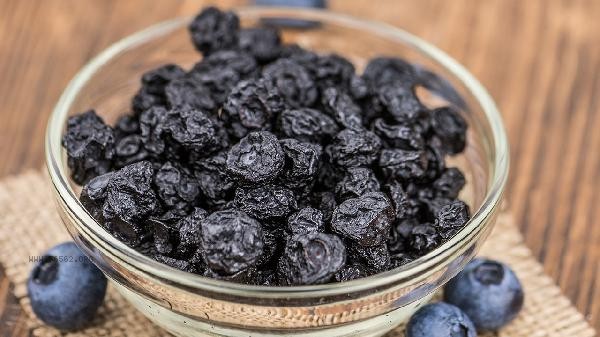
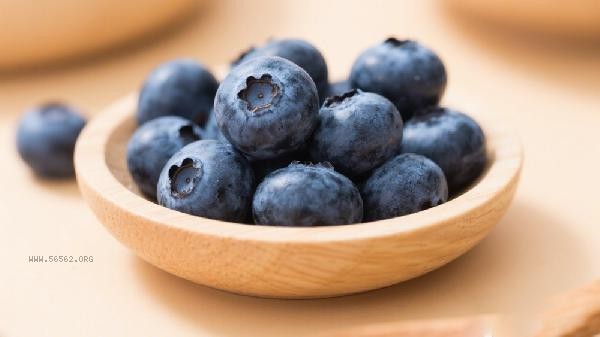
When choosing blueberries, you can observe the color of the fruit and the degree of white frost on the skin. Dark blue with even white frost is usually sweeter. Keep dry and refrigerated during storage, and leave at room temperature for two hours before consumption to enhance the perception of sweetness. People who are sensitive to acidity can pair it with yogurt or honey for consumption. Those with weak gastrointestinal function should pay attention to controlling their single intake and avoid consuming large amounts of acidic varieties on an empty stomach. Moderate intake of blueberries of different maturity levels in daily diet can provide more comprehensive anthocyanin and vitamin nutrition.








Comments (0)
Leave a Comment
No comments yet
Be the first to share your thoughts!