
Crispy dates are usually made using deep frying or baking techniques, and different techniques can affect their taste and nutritional content. There are two main processing methods for commercially available crispy dates: deep frying and dehydration, and low-temperature baking. When choosing, it is necessary to consider health needs and product labeling.
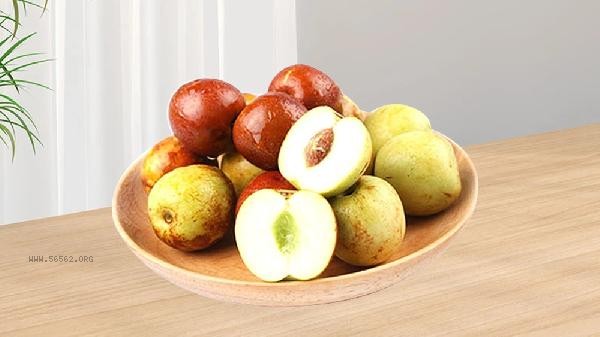
1. Frying Process
Traditional crispy jujubes are often made by high-temperature frying and dehydration. Oil penetration causes the jujube body to quickly dehydrate and become crispy, with a crispy and oily taste. During the frying process, some vitamin C and phenolic substances are lost, but the absorption rate of fat soluble vitamins increases. High temperatures may lead to the production of harmful substances such as acrylamide, and long-term overconsumption may increase metabolic burden. It is recommended to check the ingredient list when making a purchase to avoid products containing hydrogenated vegetable oils.
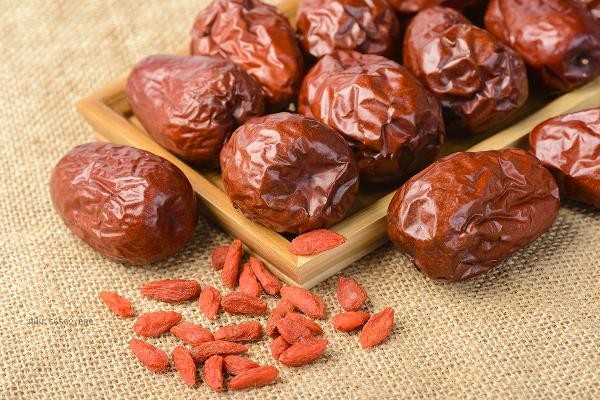
2. Baking Process
Modern low-temperature baking technology slowly dehydrates through hot air circulation, which can retain more dietary fiber and minerals such as potassium and iron. Baked jujubes have a hard and crispy texture, with no additional oil added and relatively low calories, making them suitable for those who control their fat intake. Some companies will use freeze-drying technology for pretreatment to further reduce nutrient loss. However, prolonged baking time may lead to sugar caramelization. When purchasing, pay attention to observing whether the color is uniform.
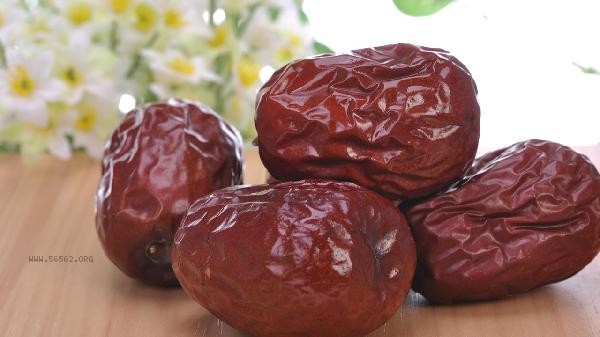
It is recommended to choose non fried products for daily consumption, and the intake should be controlled within 20 grams per time. Homemade crispy dates can be made from fresh grey dates or winter dates, washed and baked at 60 ℃ for 6-8 hours to avoid excessive loss of nutrients. Special groups such as diabetes patients should reduce consumption, and people with weak gastrointestinal function should chew fully. Pay attention to the processing technology and additive information on the food label when purchasing, and seal and store it moisture-proof after opening.








Comments (0)
Leave a Comment
No comments yet
Be the first to share your thoughts!