
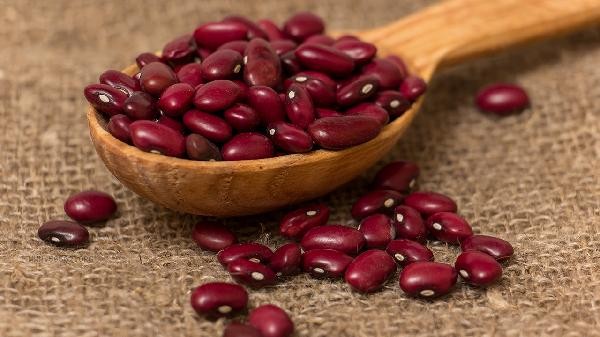
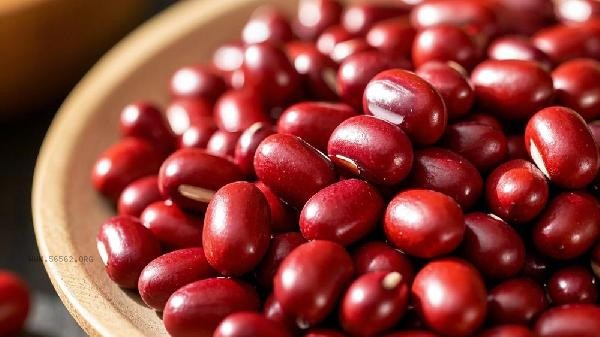
After soaking red beans for 4 hours, they can usually be boiled for 30-40 minutes until they are tender. The softness of red beans is mainly affected by factors such as soaking time, fire control, red bean variety, pot type, and water hardness. After fully soaking, the cell structure of the red beans has absorbed water and expanded. Boil over medium heat and then simmer over low heat for about 30 minutes, and the skin will gradually crack open. Fresh red beans are easier to cook than aged ones, and can be shortened to 15-20 minutes using a pressure cooker. In areas with soft water quality, the pectin component in red beans is more easily dissolved, which helps accelerate the softening process. Avoid frequent uncovering during the cooking process, as steam infiltration can promote even heating of the beans. Individual red beans stored for more than two years may require extended cooking time due to starch aging, and the maturity can be determined by observing whether the beans float. Some special varieties such as adzuki beans have a harder texture, so it is recommended to extend the soaking time to 6 hours. When using a clay pot or cast iron pot, the heat storage performance is good, but attention should be paid to controlling the water volume to prevent the bottom from sticking and affecting the taste. Red beans are rich in dietary fiber and B vitamins, making them easier to digest and absorb after being boiled. It is recommended to cook with glutinous rice or lotus seeds to enhance the taste and increase nutritional value. People with weak digestive function can filter out the skin of boiled red beans to make bean paste, reducing the burden on the gastrointestinal tract. The cooked red bean soup can be refrigerated for storage, but should not exceed 48 hours. When reheating, it should be thoroughly boiled.









Comments (0)
Leave a Comment
No comments yet
Be the first to share your thoughts!