
Carrots that are not spicy when eaten raw can be achieved through six methods: refrigeration, salting and dehydrating, neutralizing sugar stains, pairing with sweet ingredients, selecting low spicy varieties, and rapid blanching.
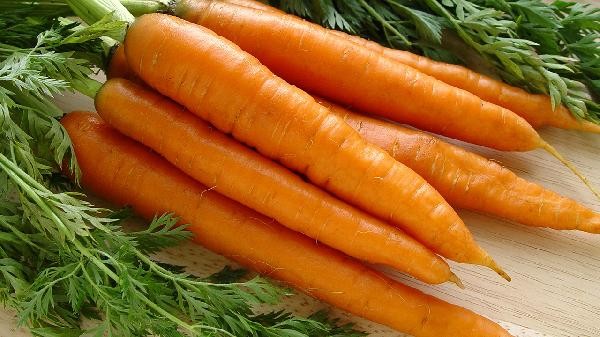
1. Refrigeration treatment
Cut white radish into pieces and refrigerate for more than 2 hours. Low temperature will inhibit the activity of glucosinolates, which are the source of radish's spicy flavor. After refrigeration, the decomposition rate of glucosinolates in radish slows down, and the spiciness is significantly reduced, while maintaining a crispy and tender taste. This method is particularly suitable for making cold radish shreds or salad side dishes.
2. Salt curing and dehydration
Marinate radish slices with salt for 15 minutes and squeeze out the water, which can precipitate some spicy substances such as isothiocyanates. A salt concentration of 3% is recommended, as excessive pickling can lead to a soft texture. Dehydrated radish is more suitable for making Korean style kimchi or Japanese style light pickled vegetables, which can reduce spiciness and increase salty flavor.
3. Sugar Neutralization
Marinate carrots with white sugar or honey for 30 minutes. Sugar can undergo Maillard reaction with spicy ingredients, converting them into sweet substances. It is recommended to have a weight ratio of 1:5 between sugar and radish. The sugar soaked radish made by this method can be used as an appetizer and is suitable for children and people with weak stomachs to consume.
4. Pair with sweet ingredients
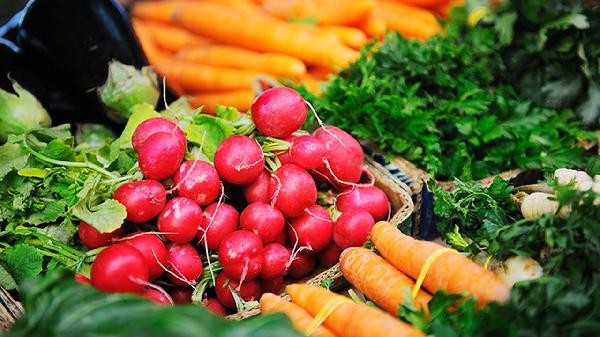
Eat raw radish with ingredients containing fructose such as pear juice and diced apples. Fructose can mask the spicy and stimulating sensation. The addition of pear puree to traditional Korean style radish kimchi is a typical application. This combination can not only supplement vitamin C, but also promote the secretion of digestive enzymes, resulting in more complete nutrient absorption.
5. Choose low spiciness varieties
Cherry radish, Baiyuchun radish and other varieties have lower levels of glucosinolates in mustard oil, resulting in weak spiciness when eaten raw. When making a purchase, observe the smoothness of the skin. Generally, the smoother the skin, the lighter the spiciness. This type of radish is suitable for making sashimi platters or dipping directly in sauce for consumption.
6. Quick blanching
Put the radish slices into 80 ℃ hot water and blanch for 10 seconds, then cool immediately. High temperature can cause some spicy substances to evaporate. Pay attention to control the time to avoid nutrition loss. The blanched radish is suitable for making warm salad or mixing with Congee to retain nutrition and reduce gastrointestinal irritation.
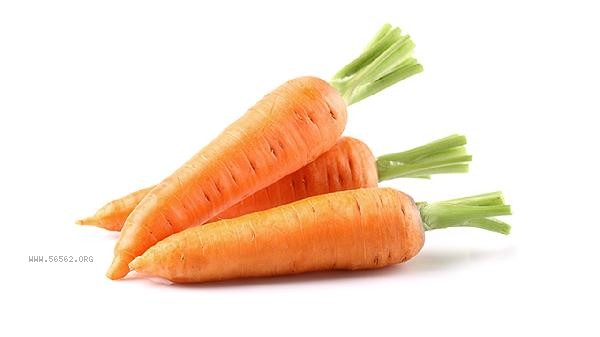
It is recommended to control the daily intake of raw radish within 100 grams to avoid stimulating the gastrointestinal mucosa. People with spleen and stomach deficiency and cold can drink it with ginger tea. People with diabetes should use the sugar method with caution. The content of spicy substances varies among different varieties of radishes, and radishes harvested in winter usually have higher levels of spicy components. Treatment methods can be adjusted according to tolerance. Persisting in moderate consumption of raw radish can help supplement dietary fiber and vitamin K, and has certain benefits for improving gut microbiota.








Comments (0)
Leave a Comment
No comments yet
Be the first to share your thoughts!