
It is usually healthy to eat Congee for supper, which can supplement dietary fiber and various nutrients. Coarse grain Congee contains brown rice, oats, red beans and other ingredients, which helps to promote digestion and stabilize blood sugar. However, people with weak gastrointestinal function or specific digestive system diseases should consume with caution.
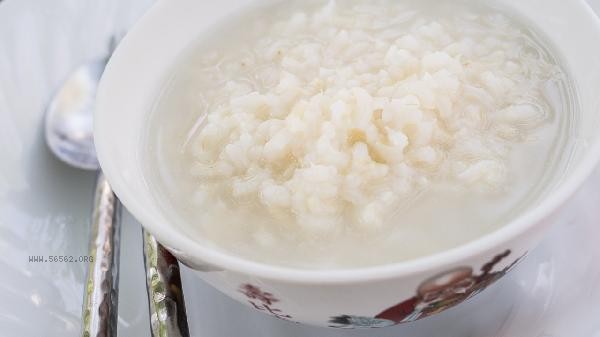
Coarse grain Congee has multiple advantages as a dinner choice. Coarse grains such as brown rice and oats retain the outer layer of bran and germ, which are rich in B vitamins and minerals. These nutrients are crucial for maintaining nervous system function and energy metabolism. Red beans, mung beans and other legumes provide high-quality plant protein, which can be combined with grains to improve protein absorption and utilization efficiency. The resistant starch and dietary fiber in miscellaneous grains can slow down gastric emptying, create a lasting sense of fullness, and help control nighttime eating desires. For people with high blood sugar, the glycemic index of coarse grain Congee is significantly lower than that of refined rice porridge, which is more suitable as a dinner staple.
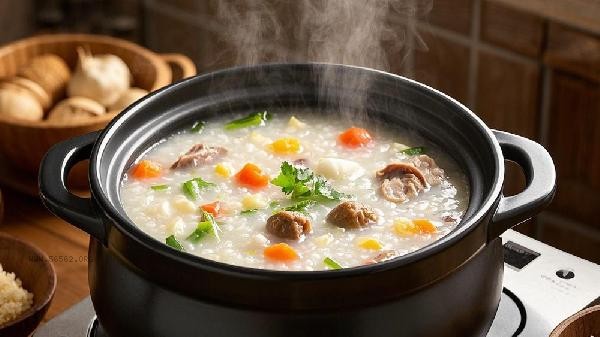
Some people may have uncomfortable reactions when eating Congee. Grains that have not been fully soaked and boiled for a long time have a harder texture and may irritate the gastrointestinal mucosa. Patients with irritable bowel syndrome who consume excessive dietary fiber may experience bloating and abdominal pain. For the elderly who have recovered from the operation or whose digestive function has declined, it is recommended to boil the coarse grain Congee to the erosive state or choose some refined grains to be mixed. For those with chronic kidney disease who need to limit protein intake, attention should be paid to controlling the proportion of beans added to coarse grain Congee. When the amount of exercise in the evening is less, excessive consumption of coarse grain Congee may lead to stomach heaviness.
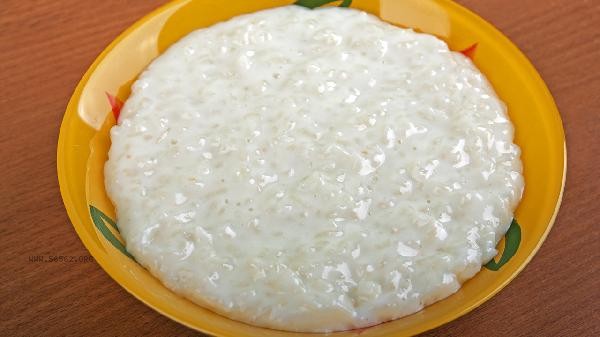
It is recommended to adjust the ingredients and consumption of coarse grain Congee according to individual physique, which can be matched with digestible vegetables and appropriate high-quality protein food. If there is persistent bloating or discomfort after consumption, the proportion of miscellaneous grains should be reduced, and if necessary, a nutritionist should be consulted for personalized dietary guidance. Maintaining diversity in ingredients and avoiding long-term consumption of a single variety of grains can help achieve a more balanced nutritional intake.








Comments (0)
Leave a Comment
No comments yet
Be the first to share your thoughts!