
Female abdominal weight loss can be achieved through controlling diet, aerobic exercise, strength training, adjusting lifestyle habits, medical beauty, and other methods. Abdominal fat accumulation is usually related to factors such as overeating, lack of exercise, hormonal changes, aging, and increased visceral fat.
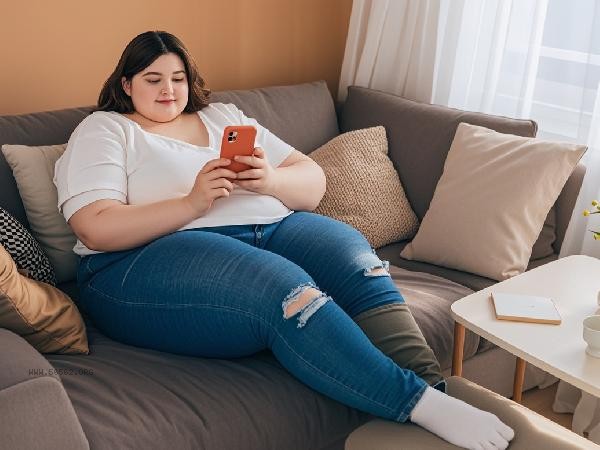
1. Control diet
Reducing the intake of refined carbohydrates and high sugar foods can help lower insulin levels and promote fat breakdown. It is recommended to choose high protein foods such as chicken breast and fish, and increase the proportion of vegetables and fruits. Avoid fried foods and sugary drinks, and control daily total calorie intake within 90% of basal metabolism. Intermittent fasting can be used, with a daily limit of 8 hours to complete eating, and only drinking water or sugar free tea during the rest of the time.
2. Aerobic exercise
Doing 150 minutes of moderate intensity aerobic exercise per week can effectively burn abdominal fat. Recommend full body exercises such as brisk walking, swimming, and skipping rope, while maintaining a heart rate in the range of 60% -70% of maximum heart rate during exercise. It takes at least 30 minutes of exercise to activate fat burning, and drinking black coffee before exercise can increase metabolic rate. Avoid long-term single exercise mode and alternate between different forms of aerobic exercise.
3. Strength training
Resistance training targeting the core muscle group can increase muscle mass and improve basal metabolic rate. Practice movements such as plank support, abdominal roll, and Russian rotation three times a week, with three groups of 12-15 times each time. You can use elastic bands or small dumbbells to increase resistance, and pay attention to maintaining a normal breathing rhythm during training. For every 1 kilogram increase in muscle mass, an additional 50-70 calories can be burned per day.
4. Adjusting lifestyle habits
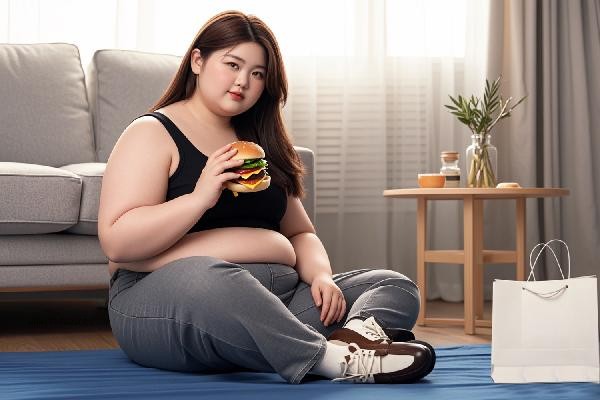
Ensuring 7-8 hours of high-quality sleep per day helps regulate the balance of leptin and ghrelin. Reduce sedentary time by standing and moving for 5 minutes per hour. Managing stress levels, long-term tension can increase cortisol secretion and abdominal fat accumulation. Quit smoking and limit alcohol consumption, as alcohol can inhibit fat oxidation metabolism. Maintain a regular schedule and avoid eating at night.
5. Medical Aesthetics
For stubborn abdominal fat, non-invasive treatments such as cryolipolysis and radiofrequency lipolysis can be considered. Ultrasound focusing can selectively destroy adipocytes, requiring 3-6 courses of treatment. Liposuction surgery is suitable for patients with severe local fat accumulation, and they need to wear shapewear for 4-6 weeks after surgery. All medical methods need to be adjusted according to lifestyle, otherwise there may be a rebound.
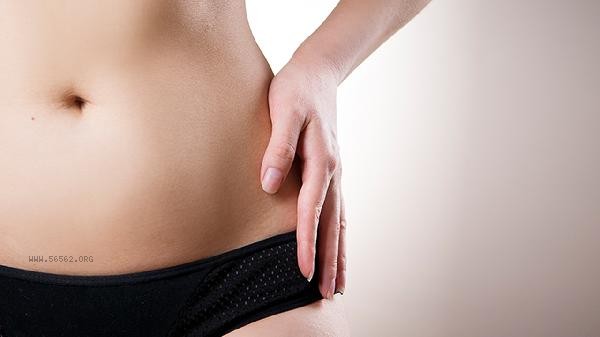
Abdominal weight loss requires sustained effort, and it is recommended to set reasonable goals and lose no more than 1% of total body weight per week. Record diet and exercise habits, and regularly measure changes in waist circumference. Ensure a daily water intake of at least 2000 milliliters and supplement with appropriate amounts of vitamin D and omega-3 fatty acids. If accompanied by menstrual disorders or hirsutism symptoms, it is recommended to seek medical examination for endocrine disorders such as polycystic ovary syndrome. Postpartum women need to wait for the pelvic floor muscles to recover before engaging in high-intensity abdominal training.








Comments (0)
Leave a Comment
No comments yet
Be the first to share your thoughts!