
After taking weight loss pills, there is not necessarily a rebound. Whether there is a rebound depends on the type of medication, usage, and lifestyle habits. Some weight loss drugs achieve weight loss by suppressing appetite or reducing fat absorption. If healthy eating and exercise habits are not established after discontinuation, weight gain may occur. Medications containing orlistat reduce calorie intake by blocking lipase, but if a high-fat diet is not controlled after discontinuation, weight may rebound. Some traditional Chinese patent medicines and simple preparations, such as Jueming Jiangzhi Tablets, play a role by promoting metabolism, but when the metabolic rate falls back, it may be accompanied by a slight rebound.
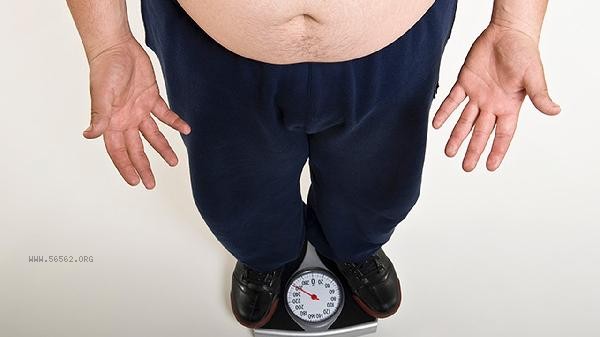
Some prescription weight loss drugs that inhibit the central nervous system may cause compensatory overeating after discontinuation. After using some weight loss products containing diuretic ingredients, most of the weight loss in the short term is water, and water retention will lead to weight increase after stopping using the drug. After discontinuing some weight loss tea products that regulate gastrointestinal function, the restoration of intestinal peristalsis to its original state may also affect weight stability.
It is recommended to choose a weight loss plan recommended by a reputable medical institution, gradually adjust the dietary structure and exercise frequency during medication, and form a lifestyle where calorie consumption exceeds intake. Recording changes in body fat percentage on a weekly basis is more valuable as a reference than simply monitoring weight, and can be used in conjunction with a body fat scale for long-term tracking. If there is discomfort with medication or abnormal weight fluctuations after discontinuation, it is necessary to consult a nutritionist or endocrinologist in a timely manner.









Comments (0)
Leave a Comment
No comments yet
Be the first to share your thoughts!