
After liposuction for weight loss, there may be a further increase in fat volume, but it is not the traditional rebound in the number of fat cells. Liposuction surgery reduces the number of local fat cells through physical means, but the remaining fat cells may still increase in volume due to excess heat. The core principle of this technique is that the total amount of adipocytes does permanently decrease after liposuction. When the human body consumes more calories than it consumes, fat cells mainly store excess energy through volume expansion rather than quantity increase. People who manage their diet and exercise regularly after surgery can usually maintain a good physique. There is a physiological limit to the expansion of adipocyte volume, and when the weight gain is reasonably controlled, the appearance of the liposuction area changes relatively little. Wearing pressure clothing after surgery can help tighten the skin, and combined with regular aerobic exercise such as swimming and jogging, it can effectively prevent excessive fat cell hypertrophy. Some people may experience a so-called rebound phenomenon after surgery, which is often related to unhealthy lifestyle habits. Without changing the high sugar and high-fat diet habits and lacking exercise, residual fat cells will compensate for hypertrophy, especially in non-surgical areas. Liposuction is not a weight loss method, and if there is a significant increase in postoperative weight, there may be more significant fat accumulation in the non-surgical area. Hormonal changes during pregnancy and childbirth in women may activate the potential for adipocyte proliferation, which is not within the scope of conventional rebound. Repeated liposuction surgery in the same area may cause tissue fibrosis and affect the final shaping effect.
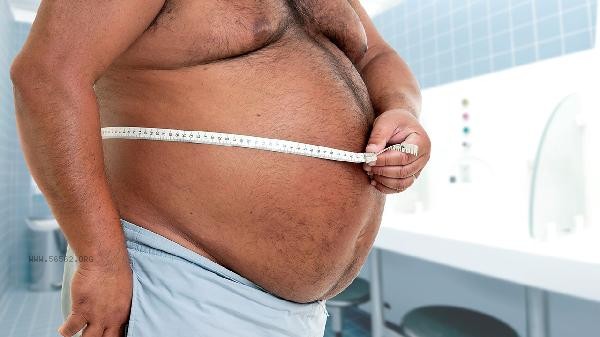
Within three months after surgery, strictly follow the doctor's advice to wear shapewear to help the subcutaneous tissue reattach. Establish a long-term dietary record habit, regularly monitor body fat percentage, and control weight fluctuations within 5%. The personalized dietary plan developed by professional nutritionists, combined with no less than 150 minutes of moderate intensity exercise per week, is the key to maintaining the effectiveness of liposuction. When there is rapid weight gain, it is necessary to consult a metabolic doctor in a timely manner to assess whether there are endocrine abnormalities.








Comments (0)
Leave a Comment
No comments yet
Be the first to share your thoughts!