
Moderate consumption of oatmeal by thin people usually does not lead to further weight loss, but it needs to be judged comprehensively based on overall dietary structure and calorie intake. Oatmeal is rich in dietary fiber, high-quality protein, and various trace elements, which help maintain satiety and nutritional balance. As a low glycemic index food, oatmeal's soluble dietary fiber can slow down gastric emptying and provide long-lasting satiety. For thin people with normal digestion and absorption functions, 30-50 grams of oatmeal as a staple food supplement daily, combined with high-quality protein foods such as eggs and milk, can help stabilize blood sugar and avoid excessive calorie deficit. The β - glucan contained in oats can also regulate gut microbiota and improve nutrient absorption efficiency. People with gastrointestinal dysfunction or high basal metabolic rate may experience excessive consumption of oatmeal, which may affect mineral absorption due to excessive intake of dietary fiber. Some thin and frail individuals with gluten intolerance such as celiac disease should choose gluten free oat products. Patients with metabolic diseases such as hyperthyroidism and diabetes should adjust their oatmeal intake under the guidance of doctors.
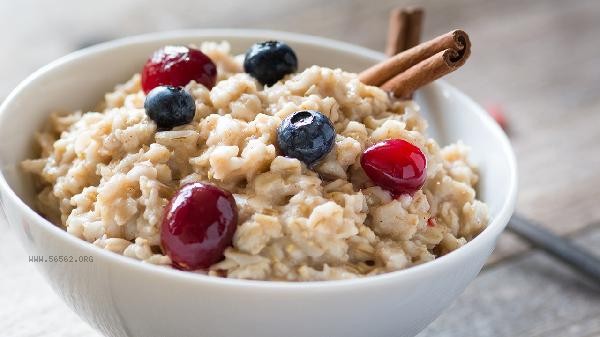
It is recommended that thin people make oatmeal a part of a balanced diet, paired with high calorie foods such as nuts and Greek yogurt. Bananas or honey can be used before and after exercise to improve calorie supplementation efficiency, and regular monitoring of changes in body fat percentage and muscle mass is recommended. When there is sustained weight loss, digestive system diseases or endocrine abnormalities should be investigated, and professional nutritional assessments should be conducted if necessary.








Comments (0)
Leave a Comment
No comments yet
Be the first to share your thoughts!