
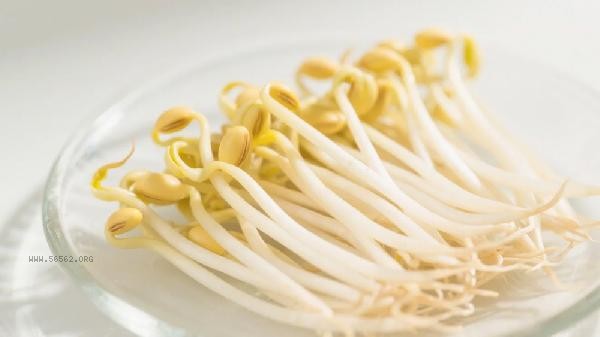
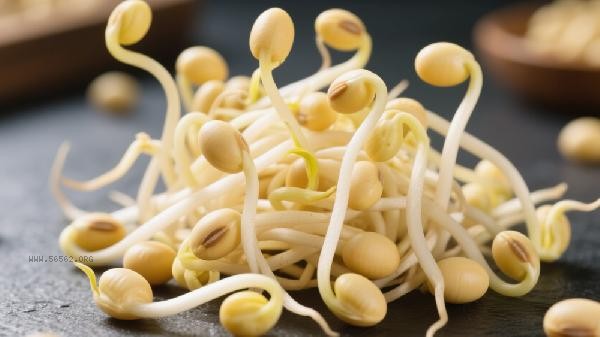
Eating cold soybean sprouts in moderation at night generally does not lead to weight gain. Soybean sprouts are low in calories and rich in dietary fiber, which helps to increase satiety. However, excessive consumption or pairing with high calorie seasonings may increase calorie intake. Cold soybean sprouts are a low calorie food, containing only about 30 calories per 100 grams. Additionally, soybean sprouts have a high content of dietary fiber, which can slow down gastric emptying and reduce hunger. Soybean sprouts also contain high-quality protein and B vitamins, which are helpful in maintaining normal metabolism. The cold salad method has not been deep fried at high temperatures, which avoids additional fat intake and is suitable as a light meal choice for dinner. Control the consumption within the range of 150-200 grams and avoid adding too much high calorie condiments such as sesame paste and peanut butter, which usually do not lead to excess calories. If you consume a large amount of cold soybean sprouts as a late night snack, or eat them together with fried foods and refined carbohydrates, it may affect your weight due to excessive total calories. Some people have weak digestive function, and excessive consumption of bean sprouts at night may cause gastrointestinal bloating. When the anti nutritional factors in soybean sprouts are not fully blanched, they may interfere with protein absorption efficiency. It is recommended to pair dinner with an appropriate amount of high-quality protein and whole grains to maintain a balanced nutrition, which is more conducive to weight management.

It is recommended to choose a light cold mix method, season with vinegar, minced garlic, and a small amount of olive oil to avoid heavy oil and salt. Take a walk after dinner to aid digestion and avoid lying down immediately. Maintaining a regular schedule and moderate exercise is more effective for weight management than simply controlling a single food. If there are metabolic diseases or digestive system problems, you can consult a nutritionist to adjust the specific diet plan.








Comments (0)
Leave a Comment
No comments yet
Be the first to share your thoughts!