
Skipping dinner but eating chocolate may still lead to weight gain, mainly related to chocolate calorie intake, sugar content, and overall dietary structure. Chocolate is a high calorie food, and if consumed in excess and lacking exercise, excess calories will be converted into fat storage. Although chocolate is small in size, it has a high calorie density, especially milk chocolate with high sugar content or varieties with added nuts. A 50g piece of regular milk chocolate is about 250-300 kcal, which is close to the calorie content of a bowl of rice. If the total calorie intake exceeds the expenditure throughout the day, even without dinner, the calorie surplus brought by chocolate will still lead to weight gain. Dark chocolate has relatively low sugar content, but excessive consumption also carries the risk of weight gain. Some people may consume more chocolate due to increased hunger caused by complete fasting for dinner, which may result in excessive calorie intake. Blood sugar fluctuations may also be more pronounced, promoting fat synthesis. People with diabetes or insulin resistance should be more cautious. High sugar chocolate may aggravate metabolic disorder. In special circumstances, consuming a small amount of dark chocolate may help control appetite, but it should be strictly calculated within the daily calorie budget.
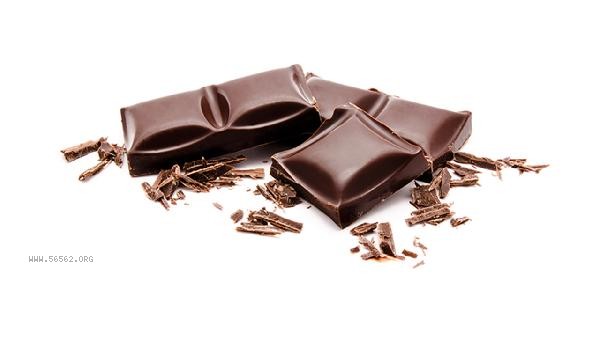
It is recommended to include chocolate as an occasional snack and prioritize dark chocolate with a cocoa content of over 70%. Maintaining regular meals and a balanced diet, combined with moderate exercise, is essential for effective weight control. If chocolate is used as a substitute for regular meals for a long time, it may lead to nutritional imbalance and actually affect the basal metabolic rate. Weight management should focus on maintaining a balance of energy intake and expenditure throughout the day, rather than solely relying on adjusting one meal.










Comments (0)
Leave a Comment
No comments yet
Be the first to share your thoughts!