
Drinking boiled water from apples generally does not lead to weight gain. Apple boiled water has low calorie content and does not contain additional sugar, making it suitable as a healthy beverage.
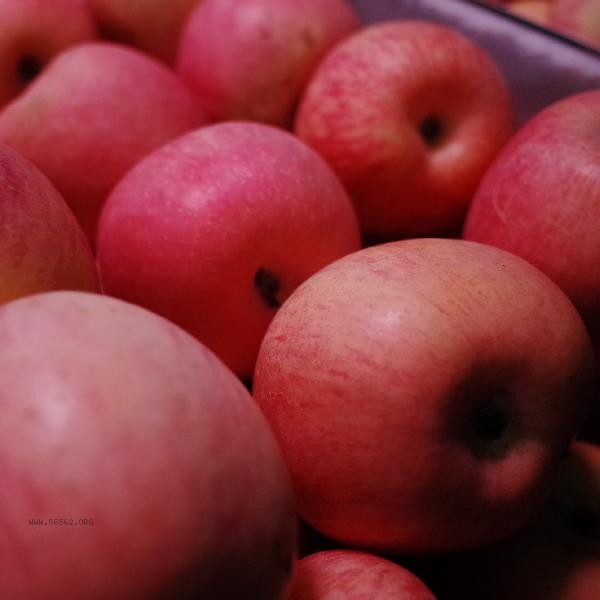
Apple boiled water is a beverage made by slicing or cutting fresh apples and boiling them with water. Its calories mainly come from the natural sugar content of the apples themselves. A medium-sized apple contains about 80 calories, and after cooking, some of the sugar will dissolve in water, but the overall calorie content is still much lower than that of sugary drinks. The dietary fiber in apples is partially retained during the cooking process, which helps to increase satiety and reduce the intake of other high calorie foods. Apple boiled water does not contain fat and cholesterol, which can be helpful for weight management. Moderate consumption of boiled apple water does not directly lead to fat accumulation, but may help control total calorie intake by replacing high sugar drinks.
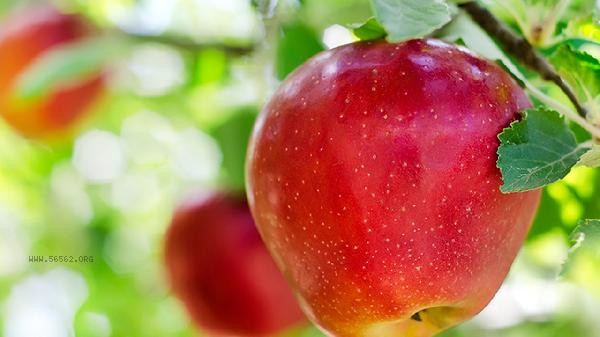
In special circumstances, if a large amount of high calorie seasonings such as honey and sugar are added to the boiling water of apples, or if excessive daily consumption leads to excessive total calories, it may increase the risk of gaining weight. Some individuals may have slower fructose metabolism due to differences in physical constitution, and long-term heavy consumption should be monitored for weight changes. Although boiling water with apples is healthy, it is still important to control the amount consumed at a time to avoid affecting the appetite for meals or causing gastrointestinal discomfort.

It is recommended to use boiled apple water as one of the healthy choices for daily drinks, combined with a balanced diet and moderate exercise, which is more conducive to weight management. When choosing fresh apples for production, there is no need to peel them, which can preserve more dietary fiber and antioxidants. When drinking, it can be paired with cinnamon powder to enhance flavor and avoid adding refined sugar. Gastrointestinal hypersensitive patients are advised to drink after filtering the fruit residue, and diabetes patients need to control their daily intake. Maintain a diverse dietary structure and avoid excessive intake of a single food.








Comments (0)
Leave a Comment
No comments yet
Be the first to share your thoughts!