
Dieting to lose weight may cause constipation, mainly related to changes in dietary structure, insufficient intake of dietary fiber, and reduced water intake. If constipation persists after adjusting diet, intestinal lesions should be ruled out. A significant reduction in food intake in a short period of time can lead to insufficient volume of food residue, making it difficult to effectively stimulate intestinal peristalsis. Especially when carbohydrate intake suddenly decreases, the colon lacks the substrates needed for fermentation, and the balance of gut microbiota is easily disrupted. At the same time, some people deliberately avoid oil to control their calorie intake, resulting in a decrease in intestinal lubrication and difficulty in excreting dry feces. Some extreme dieting methods prioritize reducing the intake of coarse grains and vegetables, resulting in a daily dietary fiber intake below the recommended value of 25 grams. Dietary fiber can increase the volume of feces after absorbing water, and its fermentation products can promote intestinal nerve activity. When there is a long-term deficiency, the intestinal transport speed slows down, and the stool stays in the colon for a longer time. After excessive absorption of water, it will form sheep manure like hard stool.
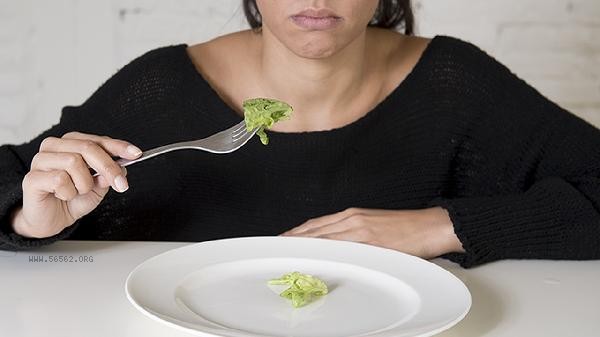
It is recommended to maintain a daily water intake of 1500-1700 milliliters, which can be warm boiled water or light honey water. Drinking 200ml of warm water on an empty stomach in the morning can help trigger the gastrocolic reflex, and a clockwise massage of the abdomen is more effective. Gradually increase the intake of soluble fiber rich foods such as oats, dragon fruit, and plums in the diet to avoid sudden and excessive fiber supplementation that can cause bloating. If there is still difficulty in defecation after two weeks of adjusting diet, or accompanied by abdominal pain, bloody stools, and unexplained weight loss, medical attention should be sought to rule out diseases such as irritable bowel syndrome and hypothyroidism. You can follow the doctor's advice to use permeable laxatives such as lactulose oral solution and polyethylene glycol 4000 powder, and short-term auxiliary use of laxatives to relieve fecal impaction.
During weight loss, it is recommended to maintain 30 minutes of daily exercise such as brisk walking or skipping rope to promote intestinal peristalsis through abdominal muscle contractions and changes in posture. Deliberately cultivate a fixed defecation time, such as using the toilet 15 minutes after breakfast. Keeping a diet and bowel movement diary can help nutritionists develop personalized plans to avoid taking laxatives without authorization and causing intestinal dysfunction.








Comments (0)
Leave a Comment
No comments yet
Be the first to share your thoughts!