
The potential impact of oolong tea on the kidneys is mainly related to excessive consumption or special constitution, and normal consumption usually does not directly damage the kidneys. The components such as oxalic acid and caffeine in oolong tea may increase the burden on the kidneys under certain circumstances, but there is no need to worry excessively when drinking in moderation on a daily basis.
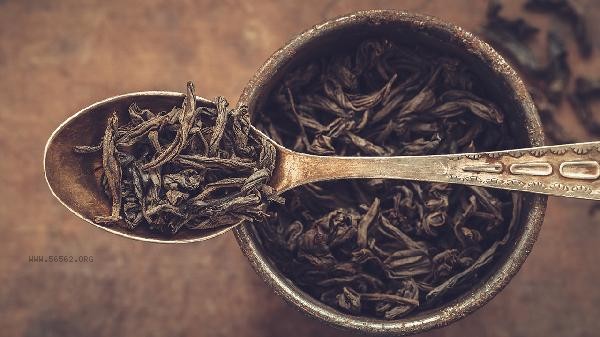
Oolong tea contains a certain amount of oxalic acid, and long-term intake in large quantities may increase the probability of kidney stone formation, especially for people with a history of kidney stones or hyperoxaluria who need to be cautious. Oxalic acid can easily form crystals when combined with calcium, and in excess, it may deposit in the renal tubules. It is recommended to control the daily tea consumption within a reasonable range and pay attention to pairing with calcium rich foods to reduce the risk. Caffeine is another important ingredient to pay attention to in oolong tea, as its diuretic effect may accelerate water loss and indirectly affect the kidney's ability to concentrate urine. For individuals with renal insufficiency, excessive caffeine may exacerbate electrolyte imbalances. It is recommended to avoid drinking strong tea on an empty stomach, and the total daily intake of caffeine should not be too high. Some individuals with sensitive constitutions may react to tea polyphenols and experience frequent urination or mild proteinuria. These individuals should reduce their frequency of consumption. For individuals with chronic kidney disease or abnormal urate metabolism, the purine in oolong tea may promote uric acid production, and it is necessary to control the amount consumed under the guidance of a doctor. Healthy individuals can reduce risks through proper brewing. It is recommended to have a moderate proportion of tea to avoid excessive precipitation of ingredients caused by prolonged high-temperature soaking.
When drinking oolong tea in daily life, it is recommended to choose lightly fermented varieties to reduce oxalic acid content, and to maintain water balance by drinking plain water. Patients with kidney disease or those found to have abnormal urine routine during physical examination should consult a doctor to develop a personalized diet plan. Pay attention to whether there is swelling or abnormal urination after drinking tea, and avoid eating high oxalate foods such as spinach together. Maintaining sufficient daily water intake, moderate exercise to promote metabolism, and regular kidney function tests can help detect potential problems early.








Comments (0)
Leave a Comment
No comments yet
Be the first to share your thoughts!