
The odor of konjac after opening the bag is usually caused by residual sulfur-containing compounds during processing or improper packaging sealing. Konjac itself contains trace amounts of sulfur, and the alkaline solution used during processing may produce volatile substances such as hydrogen sulfide. If not thoroughly rinsed or packaged with poor breathability, it can produce a smell similar to rotten eggs.
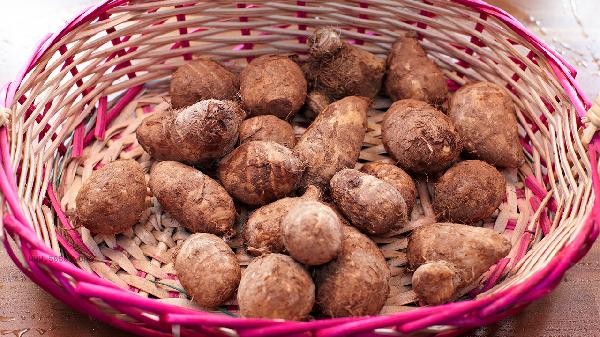
Konjac products need to be soaked in alkaline solutions such as calcium hydroxide during processing to remove calcium oxalate crystals and toxic substances, which may promote the release of sulfides. Legitimate production enterprises will control odors through multiple rinses and vacuum packaging, but some products may have increased residual sulfide levels due to incomplete processes or excessively high transportation and storage temperatures. Rinse with running water or blanch in boiling water after opening the bag to effectively reduce odor. If the odor is accompanied by mucus turbidity or abnormal color, it may have deteriorated. In rare cases, the odor of konjac may be related to microbial contamination. After the packaging is damaged or exceeds the shelf life, aerobic and anaerobic bacteria will reproduce and decompose konjac polysaccharides to produce putrefactive substances such as ammonia and indole. This type of spoiled product has a sticky texture and a pungent sour odor, which may cause gastrointestinal discomfort after consumption. When making a purchase, the integrity of the packaging should be checked, and priority should be given to fresh products transported by cold chain or vacuum packaged products that have been irradiated and sterilized.
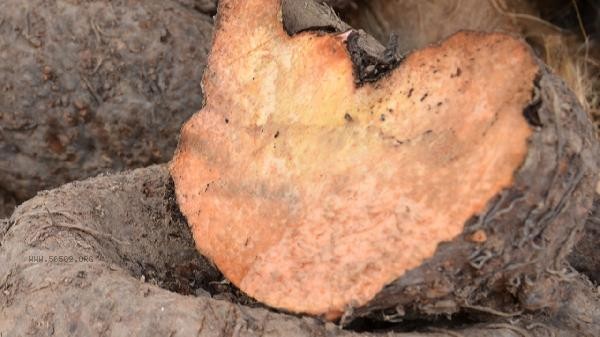
It is recommended to choose regular channels for daily consumption of konjac and cook it as soon as possible after opening the bag. Soaking in lemon juice or vinegar before cold mixing can neutralize alkaline residues, and adding ginger slices and cooking wine during stewing can further eliminate odors. Konjac is rich in dietary fiber and low in calories, making it suitable for people who control sugar and lose weight. However, those with weak gastrointestinal function should control their intake to avoid bloating. If mold spots or a foul odor are found in konjac, it should be discarded immediately and cannot be continued to be consumed.








Comments (0)
Leave a Comment
No comments yet
Be the first to share your thoughts!