
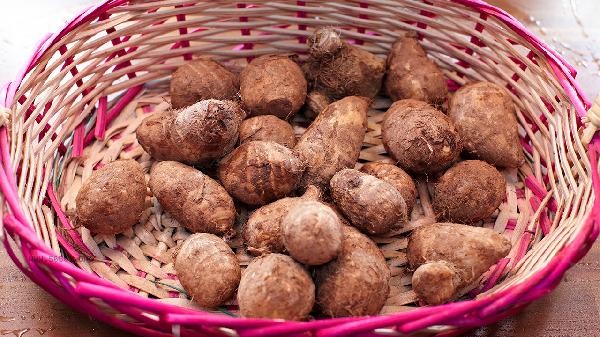
The strange taste of konjac mainly comes from the volatile substances produced during the processing of its glucomannan. Fresh konjac tubers contain calcium oxalate crystals and alkaloids, which need to be ground, boiled with alkali, and other processes to remove toxicity. This process releases a special odor. In traditional processing, konjac requires soaking in lime water or plant ash to neutralize acidic components. The alkaline environment promotes the decomposition of glucomannan to produce compounds with fishy odor such as trimethylamine. Some konjac products that have not been thoroughly rinsed may have residual sulfide odors, which are related to the addition of color protectants such as sodium metabisulfite during processing. Modern technology can effectively reduce odors by improving detoxification techniques and vacuum packaging.
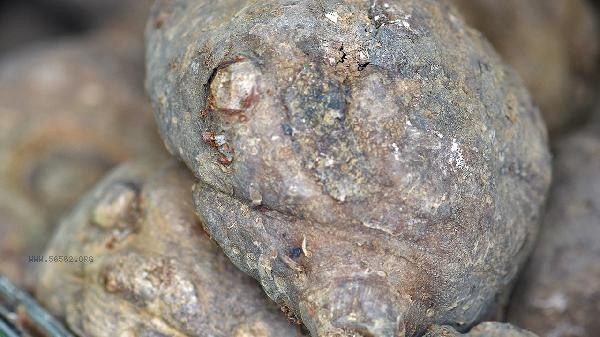
Some special varieties of konjac, such as Amorphophallus konjac, contain more volatile terpenoids, which will retain the earthy taste even after standardized processing. The konjac flour produced by freeze-drying technology has a lighter odor, while traditional drying methods may exacerbate the odor due to oxidation reactions. Improper storage can cause moldy konjac to produce a more pungent and putrid odor, and such products should be avoided for consumption.
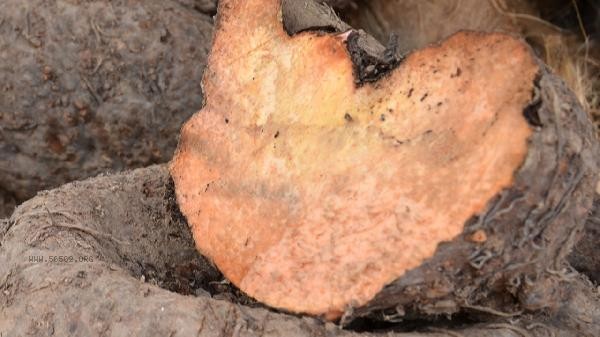
When choosing konjac products, you can observe whether the color is uniform and white, and high-quality products only have a slight alkaline taste. Rinsing or blanching with running water before consumption can further remove odors, and pairing with sour and spicy seasonings can mask residual odors. Konjac is rich in dietary fiber and low in calories. Reasonable processing will not affect its nutritional value in promoting intestinal health and controlling blood sugar. It is recommended to consume 2-3 times a week as a healthy dietary component.








Comments (0)
Leave a Comment
No comments yet
Be the first to share your thoughts!