
The whitening of frozen dumplings after cooking is usually related to starch precipitation or insufficient water absorption of the dough, mainly due to the dumpling skin making process, freezing storage method, cooking water temperature control, moisture leakage from the filling, improper thawing method, and other reasons.
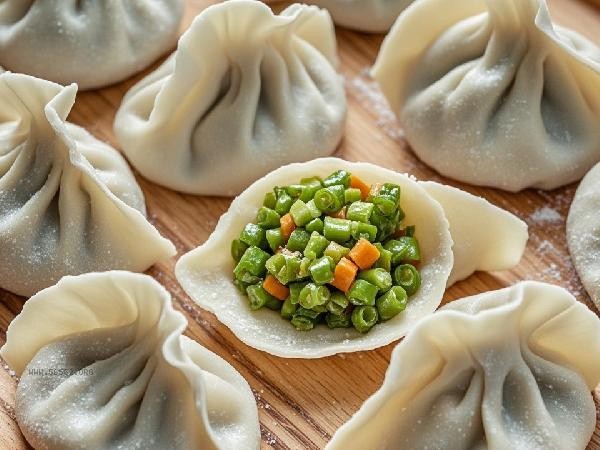
1. Dumpling skin making process
Some merchants add excessive starch to improve the toughness of dumpling skin, and the starch particles are more easily dissolved during cooking after freezing. The traditional handmade dumpling wrappers use high gluten flour with low starch addition, which makes it less likely to show obvious whitening after cooking. When making homemade dumplings, it is advisable to reduce the amount of starch and use flour with high protein content to enhance the gluten network structure.
2. Frozen storage method
If dumplings are not sealed and packaged during the freezing process, water will sublime in the form of ice crystals, causing dehydration of the dough. During cooking, the dehydrated area quickly absorbs water and expands, leaving no time for starch molecules to rearrange and form a uniform structure. It is recommended to seal with a fresh-keeping bag and exhaust the air, and store at a constant temperature below -18 ℃ for no more than two months.
3. Cooking water temperature control
Boiling water in a pot can quickly solidify the protein on the surface of dumplings and reduce starch leaching. If the water temperature is insufficient, the starch on the outer layer of the dough will continue to dissolve in the water. The correct approach is to wait for the water to fully boil before adding dumplings in batches. During this period, maintain high heat to keep the water temperature above 95 ℃.
4. Moisture leakage from filling
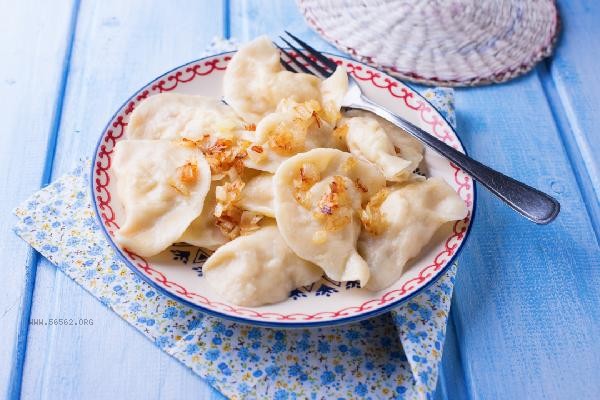
During the thawing process of vegetable filling, the cells rupture and release water, and the water carries starch and precipitates through the gaps in the skin. Meat filling can also affect the uniformity of water absorption of the dough due to the solidification of oil and fat. When preparing the filling, vegetables can be blanched and dehydrated first, while meat filling is recommended to be wrapped and frozen immediately.
5. Improper thawing method
Thawing at room temperature can cause condensation on the surface of dumplings, which dissolves starch first during cooking. The ideal thawing method is to slowly thaw in the refrigerator or directly boil in cold water. Microwave thawing can easily cause local overheating, damaging the skin structure and making it more prone to whitening. When cooking frozen dumplings, it is recommended to have sufficient water and add a small amount of salt to help the gluten protein solidify quickly. The best way to observe the condition of dumplings is to use the three-point boiling method, which involves adding cold water and repeating the process three times to evenly heat the inside and outside of the dough. If there is a slight whitening, it does not affect the safety of consumption, but the taste will be slightly powdery. Dumplings stored for a long time may suffer from frostbite, manifested as large areas of gray and white patches on the dough. It is not recommended to consume such dumplings. You can choose dumpling wrappers with moderate thickness in daily life, sprinkle dry starch on the surface before freezing to prevent sticking, which can effectively reduce abnormal discoloration after cooking.








Comments (0)
Leave a Comment
No comments yet
Be the first to share your thoughts!