
The breakage of frozen dumplings after cooking may be related to factors such as thin dumpling skin, long freezing time, improper water temperature control, incorrect thawing method, and excessive moisture content in the filling.
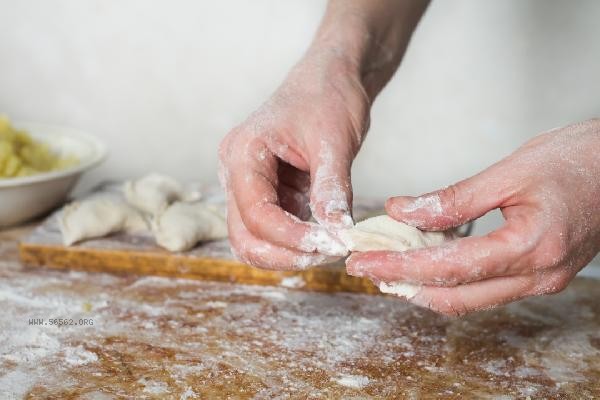
1. The dumpling skin is too thin
Rolling the dumpling skin too thin can lead to a decrease in its extensibility after freezing, and it is easy to break during cooking due to thermal expansion and contraction. It is recommended to add an appropriate amount of eggs or salt when kneading to enhance gluten, and keep the thickness of the rolled dough at around 1.5 millimeters. Before freezing, use a damp cloth to cover the dumplings to prevent the skin from drying and cracking.
2. Freezing for too long
Long term freezing for more than one month can cause water crystallization and damage to the structure of the dough, making it fragile when cooked. It is recommended to consume homemade dumplings within two weeks after packaging. Commercial frozen dumplings can be stored for longer due to the addition of amendments, but they still need to be consumed as soon as possible after opening.
3. Improper water temperature control
Boiling water can easily cause dumplings to roll violently, collide, and break. The correct approach is to heat the pot with low heat in cold water, or heat it with hot water at 80 degrees Celsius. During the cooking process, keep the water temperature slightly boiling and add a small amount of salt or cooking oil to reduce adhesion.
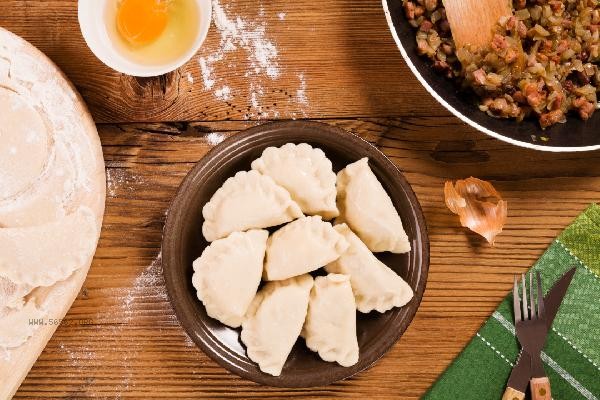
4. Incorrect thawing method
Thawing at room temperature can cause condensation of water droplets on the skin, and excessive temperature difference after entering the pot can lead to skin breakage. Frozen dumplings should be cooked directly in the pot or refrigerated and thawed 10 minutes in advance. Microwave thawing can cause local overheating and is not recommended.
5. Excessive moisture content in the filling
Vegetable filling that has not been drained of water or meat filling that has not been watered, resulting in volume expansion and bursting of the dough after freezing. When mixing the filling, water absorbing materials such as vermicelli and starch can be added. For leafy vegetables, it is recommended to salt and dehydrate them first. It is recommended to control the ratio of meat and vegetable fillings within 3:7.
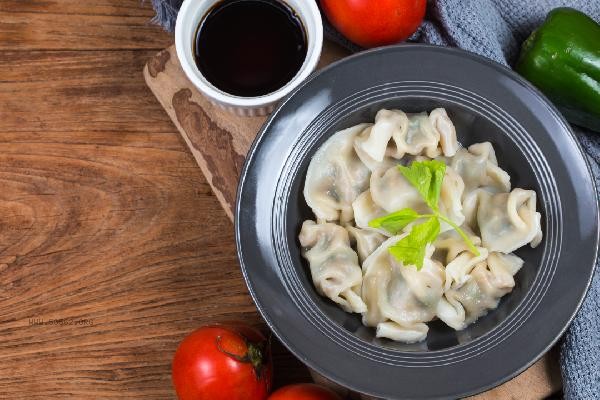
When cooking frozen dumplings, it is recommended to use a deep pot of wide water, with a water volume of at least 5 times the volume of the dumplings. After the water boils, light cold water three times to help evenly heat it up, and use a spoon to gently push to prevent sticking to the bottom. Broken skin dumplings can be removed and made into sour soup dumplings or fried dumplings. During daily packaging, it is recommended to fold several pleats to enhance the structure, and maintain spacing to avoid adhesion when arranging before freezing. Choosing high gluten flour or adding natural pigments such as pumpkin puree and spinach juice can enhance toughness and increase nutrition.








Comments (0)
Leave a Comment
No comments yet
Be the first to share your thoughts!